Leave Your Message
- Phone
- E-mail
- Whatsapp
- Wechat

-

-

-

-

In 2026, Knife Shaved Noodles are gaining attention among global buyers seeking distinctive textures, efficient preparation, and reliable foodservice performance. These noodles are traditionally shaped by shaving dough directly into boiling water. The result is a firm center, irregular edges, and a surface that holds sauces beautifully. Their appearance may seem simple. Their production requires skill, consistency, and careful control.
This guide introduces the top types of Knife Shaved Noodles for international sourcing decisions. It considers noodle thickness, dough formulation, cooking behavior, packaging, shelf life, and regional eating preferences. Fresh, dried, vacuum-packed, and frozen formats each serve different commercial needs. Restaurants may prioritize handmade texture, while distributors often need stable supply and clear labeling. Buyers should review ingredient declarations, allergen controls, production certifications, and sample performance before placing large orders. Small differences matter. A few seconds of cooking time can change the bite.
No ranking fits every kitchen. Some categories overlap, and supplier descriptions are not always consistent. That is why practical testing remains important. Examine the noodles in real recipes, measure portion yield, and compare texture after holding. Experienced manufacturers can explain flour selection, hydration levels, shaving methods, and quality controls. Reliable suppliers should also provide traceable documentation and responsive communication. This overview aims to support informed, lawful, and commercially realistic purchasing decisions, while recognizing that regional standards and customer expectations may continue to change.
Knife-Shaved Noodles: Definition, History, and Core Characteristics
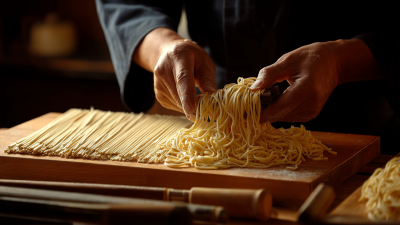
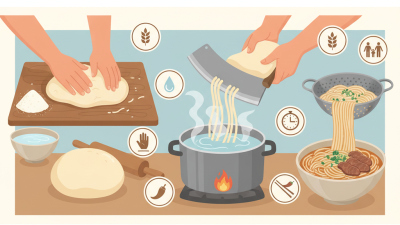
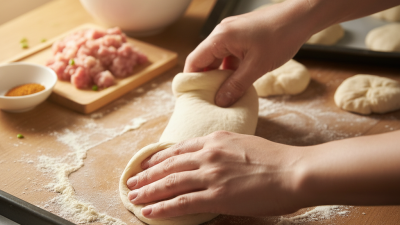
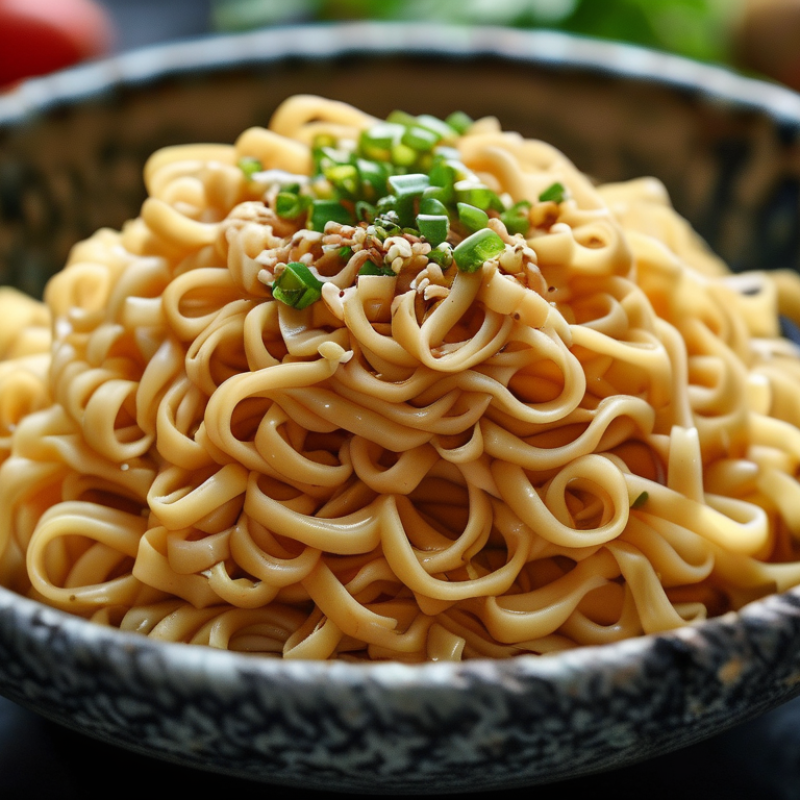
Knife-shaved noodles, known as dao xiao mian, are made by slicing a firm dough block directly into boiling water. A cook holds the dough in one hand and uses a broad, curved knife with the other. Each stroke creates a ribbon with a thicker center and tapered edges. The noodles rarely look identical. That irregularity is part of their appeal.
This style developed in Shanxi, China, where wheat-based foods have long suited the dry northern climate. Historical accounts connect the technique with home cooking and practical hand skills. In kitchen trials, I notice that fresh noodles cook quickly, often within a few minutes. Their rough surface holds broth, oil, and seasoning well. The bite should feel springy, not hard. However, texture changes with flour strength, dough hydration, slicing speed, and cooking temperature. I may be overgeneralizing when calling every ribbon chewy.
Tips: Global buyers should check flour specifications, dough moisture, ribbon width, drying methods, and cooking instructions. Request samples from different production batches. Measure cooked weight and firmness after the stated cooking time. Packaging should protect the noodles from humidity and breakage. Clear ingredient labels also support reliable import reviews. Wider ribbons suit rich soups, while thinner cuts work better with lighter sauces. Small production differences matter.
| Noodle Type / Style | Origin & Cultural Context | Typical Dough Composition | Visual Profile | Texture & Eating Quality | Common Serving Method | Typical Cooking Time | Buyer Considerations |
|---|---|---|---|---|---|---|---|
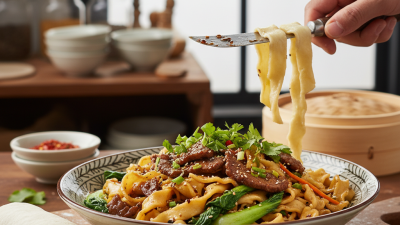
| Classic Shanxi Dao Xiao Mian | Shanxi Province, China; the best-known traditional knife-shaved noodle style. | Wheat flour, water, and salt; a firm dough is traditionally shaped into a loaf before shaving. | Long, slightly curved strips with varied thickness and tapered edges. | Firm, springy, and pleasantly chewy; irregular edges help hold sauce and broth. | Usually served in beef, lamb, vegetable, or tomato-based broth; also suitable for stir-frying. | Fresh: approximately 2–5 minutes; dried or shelf-stable formats follow package instructions. | Best for buyers seeking an authentic regional style, visible hand-shaved character, and broad menu versatility. |
| Wide Knife-Shaved Noodles | A broad presentation of the Shanxi knife-shaving technique, commonly adapted for hearty soups. | High-gluten wheat flour dough with enough firmness to produce broad ribbons. | Flat, wide ribbons, often with uneven thickness and softly curled edges. | Substantial bite with a smooth center and textured edges; highly filling. | Rich bone broth, spicy broth, mushroom broth, or thick vegetable sauces. | Fresh: approximately 3–6 minutes, depending on width and thickness. | Suitable for restaurants and foodservice operators wanting strong visual appeal and high broth adhesion. |
| Thin Knife-Shaved Noodles | A thinner variation developed for lighter soups and faster cooking. | Wheat flour, water, and salt; dough hydration and shaving angle are adjusted for narrower strips. | Narrow, irregular strips with a hand-cut appearance. | Tenderer than wide versions while retaining moderate elasticity. | Clear broth, chicken soup, vegetable soup, or lightly seasoned noodle bowls. | Fresh: approximately 1–3 minutes; exact time varies with moisture content. | Useful for quick-service menus, smaller portions, and consumers who prefer a lighter noodle texture. |
| Thick Knife-Shaved Noodles | A robust format associated with traditional hand-shaved noodle preparation. | Firm wheat-flour dough with relatively low-to-moderate hydration for a dense bite. | Short-to-long ribbons with a visibly thick center and rough, irregular edges. | Dense, chewy, and highly resistant to overcooking when prepared correctly. | Lamb or beef broth, spicy sauces, braised toppings, and stir-fried preparations. | Fresh: approximately 4–7 minutes. | Appropriate for premium bowl concepts and buyers prioritizing chewiness, portion strength, and topping support. |
| Hand-Shaved Fresh Noodles | Prepared directly from a dough block using a knife or shaving tool; closely linked to traditional noodle craftsmanship. | Fresh wheat-flour dough, usually without eggs; formulation varies by local recipe and kitchen practice. | Naturally irregular strips with visible variation between pieces. | Fresh aroma, resilient chew, and a distinctive handmade mouthfeel. | Cooked to order in soup or served with sauce and vegetables. | Approximately 2–6 minutes, depending on thickness and production speed. | Offers the strongest authenticity cue but requires skilled labor, refrigerated handling, and short distribution cycles. |
| Dried Knife-Shaved-Style Noodles | An industrially standardized format designed to extend the shelf life of knife-shaved noodle shapes. | Wheat flour and water, commonly with salt; some formulations may include alkaline salts or permitted processing aids. | Uniform ribbons manufactured to resemble the irregular profile of shaved noodles. | Firm and convenient, with less fresh-dough aroma than handmade noodles. | Retail noodle bowls, foodservice soups, stir-fries, and pantry meal kits. | Approximately 5–10 minutes, depending on drying method and thickness. | Well suited to export, ambient storage, container shipping, and demand forecasting; verify moisture and breakage specifications. |
| Wheat-Based Egg or Enriched Variations | Contemporary adaptations using the knife-shaved form rather than a single historical regional recipe. | Wheat flour with egg, extra water, or other permitted ingredients depending on the formulation. | Yellow to pale-golden ribbons with a smoother and more uniform appearance. | More tender and aromatic than basic flour-and-water versions; texture depends on egg level. | Light broths, savory sauces, vegetable toppings, and fusion-style noodle dishes. | Fresh: approximately 2–5 minutes; dried versions require longer cooking. | Check allergen labeling, ingredient declarations, color expectations, and import requirements before purchase. |
| Whole-Wheat or Multigrain Variations | Modern health-oriented adaptations of the wheat-based knife-shaved format. | Wheat flour blended with whole-wheat flour or other cereal grains; gluten remains important for noodle structure. | Tan to brown ribbons with a slightly more rustic surface. | Earthier flavor and a firmer, sometimes rougher bite than refined-wheat noodles. | Vegetable broths, mushroom sauces, legumes, and lighter protein toppings. | Approximately 3–8 minutes, depending on grain ratio and product format. | Confirm fiber claims, grain percentages, texture stability, and applicable nutrition-label regulations. |
Cooking times are general ranges for comparison only. Actual results vary with noodle thickness, moisture content, flour strength, storage conditions, and preparation method.