Best Steamed Bao Buns Recipes You Need to Try Today?
When it comes to culinary delights, few dishes evoke warmth and satisfaction quite like Steamed Bao Buns. Renowned chef Yang Liu, an expert in Asian cuisine, once said, "Steam is the magic that transforms simple dough into a fluffy, flavorful treasure." This sentiment perfectly captures the essence of crafting these delicate buns.
Steamed Bao Buns are beloved around the world for their soft texture and versatility. They can be filled with a variety of ingredients, from savory meats to sweet pastes. Each bite offers a burst of flavor, making them a favorite at both casual gatherings and formal dining events. However, mastering the art of making Steamed Bao Buns is not without its challenges. Achieving the perfect dough consistency and steam timing can require practice.
Many home cooks find themselves struggling with the technique. Consistency can be elusive, and the process can lead to frustration. But, with patience and the right recipes, anyone can enjoy the rewarding experience of making their own Steamed Bao Buns. This exploration of recipes will guide you through each step, helping you conquer the art of these delightful buns.
What Are Steamed Bao Buns? A Brief Overview
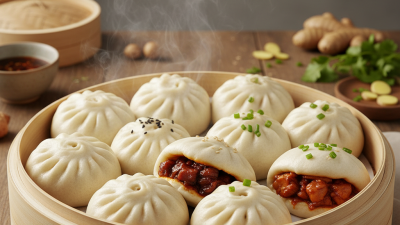
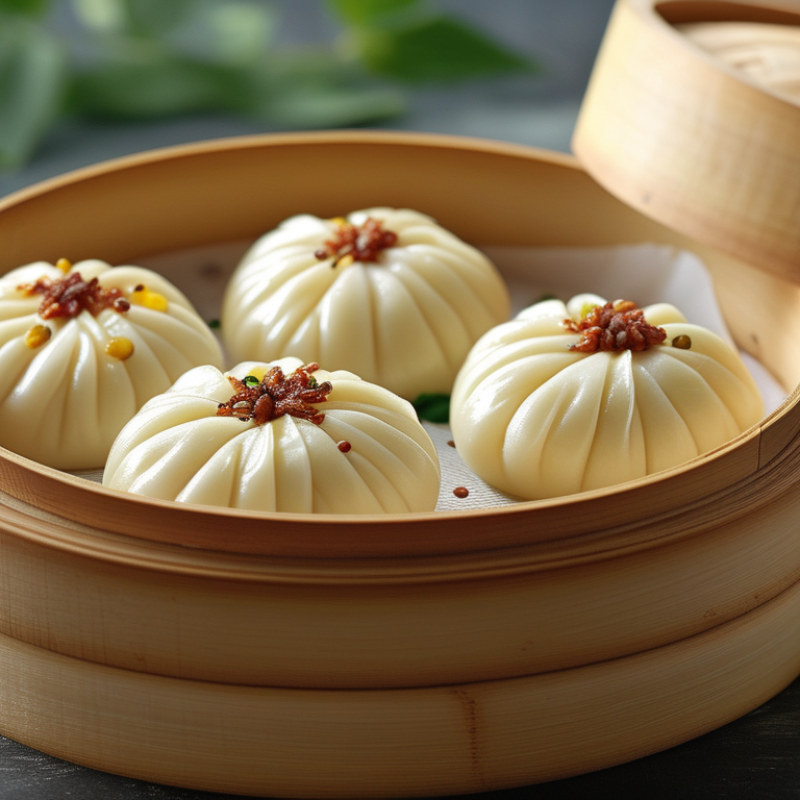
Steamed bao buns are soft, fluffy pockets filled with a variety of delicious fillings. Originating from China, these buns have become a favorite around the world. They are typically made from a simple dough of flour, yeast, and water, which is fermented and lightly steamed. The result is a delicate, pillowy texture that complements the savory or sweet fillings perfectly.
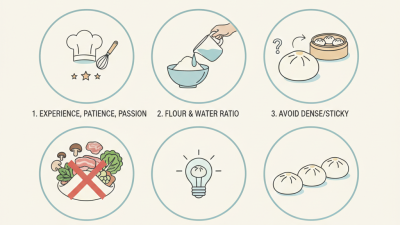
When making bao buns, precision is key. Ensure your dough is well-kneaded for a smooth texture. Once you shape the buns, let them rise adequately. This extra step will make a significant difference in fluffiness. Don't rush the steaming process; a gentle simmer is ideal. If you find your buns too dense, reflect on the fermentation time. Each kitchen differs, and sometimes adjustments are necessary.
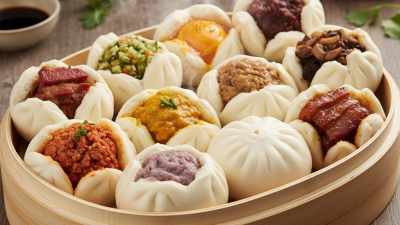
Experimenting with fillings adds creativity to your bao buns. You can use traditional pork, chicken, or vegetarian options. Explore different ingredients and spice levels. Tips? Start with familiar flavors before venturing into the exotic. Remember to keep the filling proportion just right; too much can cause your bun to burst during steaming. Practice makes perfect with these delightful bites, so don’t hesitate to try again!
Key Ingredients for Perfect Steamed Bao Buns
When it comes to perfect steamed bao buns, the choice of ingredients plays a crucial role. The flour you select should be high in gluten. This gives the bao a soft and elastic texture. Many recipes recommend all-purpose flour with a protein content between 10-12%. A study from the International Journal of Food Science highlights that this range offers the best balance for dough fermentation and structure.
Water is another essential ingredient. Ideally, use warm water to activate yeast. Yeast is vital for dough rising and fermentation, creating that airy texture. Additionally, consider adding a small amount of sugar to the dough. This not only feeds the yeast but also adds a subtle sweetness to the buns. In fact, adding sugar can increase overall hydration in the dough, as pointed out in a report by the Bakery Industry Association. The right amount can make a significant difference.
Don’t overlook the importance of steaming techniques. Using a bamboo steamer can impart a unique flavor. Ensure the buns are well-spaced to allow for expansion. Reflect on your past attempts—perhaps you rushed the dough rising. Patience is key. The quality of your ingredients paired with careful technique can yield exceptional results.
Step-by-Step Guide to Making Bao Bun Dough
Making bao bun dough is a rewarding and enjoyable process. This versatile dough forms the base for delicious steamed buns. To start, you'll need flour, yeast, sugar, baking powder, water, and a touch of oil. Mix the dry ingredients together before gradually adding warm water. This step is crucial for activating the yeast.
Knead the dough for about ten minutes until smooth. A well-kneaded dough is soft and elastic. Let it rise in a warm place. Ideally, it should double in size. This might take one to two hours. If your dough doesn't rise much, check your yeast's freshness next time.
Tips: Make sure your water is warm, not hot, to prevent killing the yeast. Use a damp cloth to cover the dough, keeping it from drying out. If you're short on time, you can refrigerate the dough for 30 minutes. Just remember to let it return to room temperature before use. Enjoy the process and reflect on each step. Every mistake is a chance to improve your technique.
Delicious Fillings: Traditional and Creative Options
Steamed bao buns are versatile and cherished for their fluffy texture. The fillings are where the real magic happens. You can stick to traditional options or get creative based on your palate. A classic choice is pork belly. Slow-cooked and marinated in soy sauce, it offers a savory taste that melts in your mouth. Adding pickled vegetables elevates the flavor with a crunchy contrast.
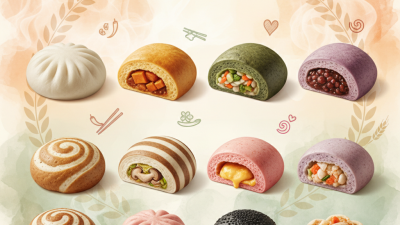
Vegetarian options can be just as satisfying. Consider a filling of spiced mushrooms and tofu. The umami richness complements the bun's softness. For something unique, try a dessert bao. Fill it with sweet red bean paste or even chocolate. The combination of sweet and fluffy is irresistible.
Bao buns provide a canvas for experimentation. It might not always turn out perfect, but that’s part of the fun. Each attempt teaches you something new about flavor balance and texture. Don’t shy away from mixing ingredients that surprise you!
Serving Suggestions and Pairing Ideas for Bao Buns
When it comes to serving bao buns, creativity knows no bounds. These soft, fluffy delights can be filled with a variety of ingredients. Think shredded pork, grilled chicken, or even crispy tofu. Fresh herbs like cilantro or green onions add a burst of flavor. Adding a drizzle of hoisin sauce can elevate taste. Experiment with pickled veggies for a tangy crunch.
Pairing bao buns with side dishes can enhance the meal. Light, refreshing salads work well. A cucumber salad adds a crisp texture, while a sesame dressing brings depth. For something heartier, consider a warm bowl of ramen. The broth complements the softness of the buns. Pair with a light beverage, like iced green tea.
Make sure to think about textures too. A crunchy side can balance the softness of the bun. Don’t be afraid to mix flavors. Sweet and savory can create a memorable bite. Serving bao buns is simple but allows for exploration. There’s always room for improvement and creativity. Try something new each time!