What is the Best Type of Cake And Flour for Baking?
When it comes to baking, the choice of cake and flour can greatly impact the outcome of your dessert. Renowned baker and author, Mary Berry, once said, “The secret to a great cake is in the flour.” This emphasizes the critical role flour plays in creating the perfect texture and flavor. Different types of flour, such as cake flour and all-purpose flour, have unique properties that can drastically change how your cake turns out.
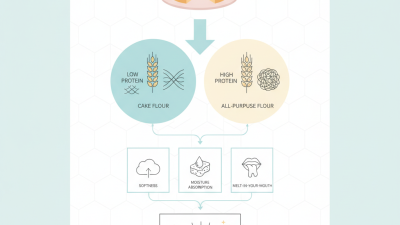
Choosing the right cake and flour can seem daunting. Cake flour has a lower protein content, leading to softer cakes. Conversely, all-purpose flour offers versatility for various baking needs but may result in a denser texture. Understanding these differences is crucial for achieving the desired outcome. Many bakers overlook these subtleties, leading to frustration in the kitchen.
Experimentation is key. The perfect cake often emerges from trial and error. Don't be afraid to combine flours or adjust your recipes. The world of cake and flour is vast and full of possibilities. Embrace the journey, and remember that every mistake brings you closer to baking success.
Types of Cakes: A Comprehensive Overview of Popular Varieties
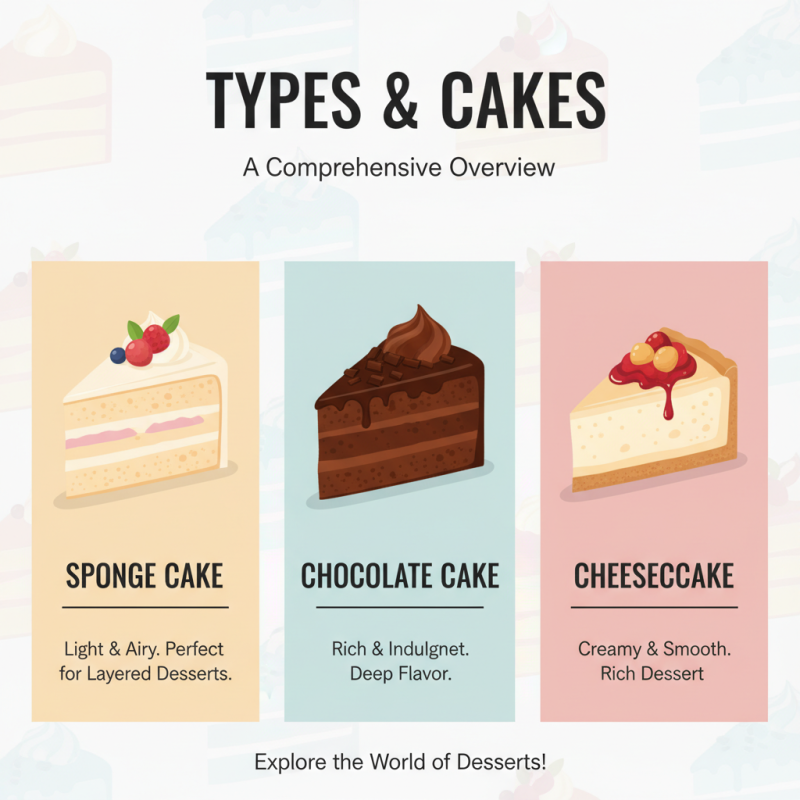
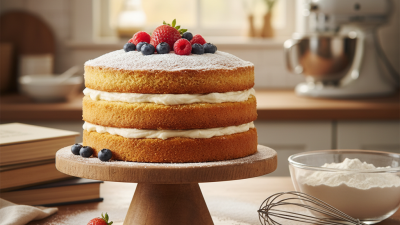
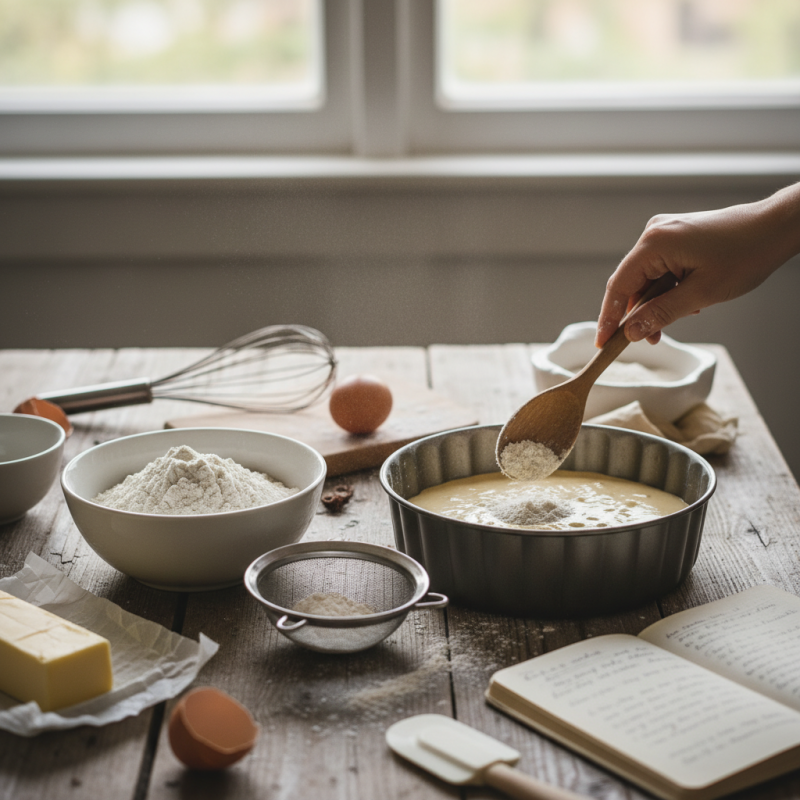
When exploring the world of cakes, it’s exciting to discover the variety available. Each type of cake has its own unique texture, flavor, and occasion. For instance, a classic sponge cake is light and airy, making it perfect for layered desserts. Chocolate cake, on the other hand, is rich and indulgent. These differences cater to various palates and preferences.
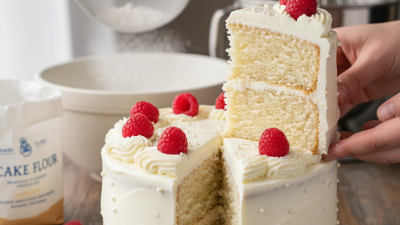
Consider the difference between butter and oil-based cakes. Butter cakes offer a tender crumb, while oil cakes tend to be moister. This choice affects the final result. A mistake is using the wrong type of flour, such as all-purpose instead of cake flour, which can lead to unexpected outcomes. Cake flour has less protein, ensuring a soft, delicate structure.
Baking is both an art and a science. Each ingredient must be carefully measured. Small variations can lead to failure or a delightful surprise. It’s essential to experiment with different recipes and techniques. Keeping a journal can help track what works and what doesn’t, leading to more reliable results. Embracing imperfections can lead to delicious discoveries along the way.
Choosing the Right Flour: Analyzing Different Types of Baking Flour
When it comes to baking, choosing the right flour can impact your cake's texture and flavor. All-purpose flour is versatile and often used in many recipes. It has a balanced protein level, which gives cakes a good rise. Cake flour, on the other hand, has a lower protein content. This results in a tender crumb that is perfect for fluffy cakes. However, this might not work well for denser desserts.
Consider using whole wheat flour for a healthier option. It adds a nutty flavor and increases nutritional value. However, it can make the cake denser than desired. If you’re experimenting, try mixing different flours. This can lead to unique flavors and textures. Maybe half all-purpose and half cake flour? The science of baking encourages creativity, but balance is crucial.
Tips: Always weigh your flour for accuracy. Too much can lead to dry cakes. Sifting flour can also ensure lighter results. Pay attention to the recipe's flour type for best outcomes. Remember, baking is as much about intuition as following guidelines. Embrace some trial and error for delicious discoveries.
Flavor Profiles: How Cake Type Influences Ingredient Selection
Choosing the right cake type significantly shapes ingredient selection. Different cakes have unique qualities that influence the flour choice. For example, a light sponge cake requires cake flour, contributing to a tender texture. Conversely, a denser cake, such as pound cake, benefits from all-purpose flour. Understanding these nuances is vital for baking success.
Flavor profiles play a crucial role in how cakes interact with various ingredients. A chocolate cake pairs well with rich cocoa powder and butter, while vanilla cakes shine with high-quality vanilla extract. According to a survey from the American Bakers Association, 75% of bakers emphasize the importance of flavor compatibility when selecting ingredients. This consideration can elevate a cake from ordinary to exceptional.
Tip: Always sift flour before measuring. This enhances the cake’s lightness and texture. Also, consider using organic ingredients for a more pronounced flavor profile. Baking is an art that requires continuous experimentation. Sometimes, a recipe might not yield perfect results. Reflecting on these outcomes helps improve skills and techniques in the adventurous world of baking.
Best Types of Cake and Flour for Baking
Baking Techniques: Essential Tips for Perfect Cake Preparation
Baking a perfect cake requires attention to detail and various techniques. Knowing your flour type can significantly impact the cake's texture. For light and airy cakes, use cake flour, which has a lower protein content. This results in less gluten formation, leading to a tender crumb. In contrast, all-purpose flour can produce denser cakes due to its higher protein, which is suitable for sturdier baked goods.
Proper mixing techniques are crucial. Overmixing can lead to toughness; mixing just until combined is key. The temperature of ingredients also plays a role. Cold butter will not incorporate as well into sugar, affecting the cake's rise. Data indicates that cakes made with room-temperature ingredients rise better by 20% on average.
Baking temperature needs careful monitoring as well. An oven that runs too hot can cause cakes to rise rapidly and collapse. On the other hand, a cooler oven may not set the structure correctly. Investing in an oven thermometer can help ensure accuracy. Each of these elements contributes to achieving that coveted perfect cake, but there is always room for learning. Reflection on each baking attempt can lead to continual improvement.
What is the Best Type of Cake And Flour for Baking? - Baking Techniques: Essential Tips for Perfect Cake Preparation
| Cake Type |
Best Flour Type |
Tips for Preparation |
| Chocolate Cake |
All-Purpose Flour |
Sift flour to incorporate air and avoid lumps. |
| Vanilla Cake |
Cake Flour |
Cream butter and sugar well for a light texture. |
| Red Velvet Cake |
All-Purpose Flour |
Use buttermilk for moisture and tanginess. |
| Carrot Cake |
Whole Wheat Flour |
Add nuts and spices for depth of flavor. |
| Lemon Cake |
Cake Flour |
Incorporate zest for a stronger lemon flavor. |
Frosting and Decoration: Matching Cake Style with Suitable Icing
When selecting icing for a cake, it is vital to consider the cake's texture and flavor. For a dense chocolate cake, a rich ganache often works best. According to a report by the American Institute of Baking, approximately 70% of bakers prefer this pairing for its luxurious mouthfeel. On the other hand, light sponge cakes pair beautifully with whipped icing or buttercream, which enhances their airy quality without overwhelming them.
Decorating a cake is an art. A smooth finish on a fondant-covered cake can create a sleek, elegant look. Statistically, about 65% of professional bakers opt for fondant when they need a polished finish. However, fondant can be challenging to work with. It requires practice to achieve a perfect look. Many novice bakers may find themselves struggling with cracks or an uneven surface. This can be discouraging, but with experimentation, confidence can grow.
Matching the right icing to the cake type is crucial. It not only enhances flavor but also improves aesthetic appeal. Consider that not every icing suits every occasion. Some may melt too quickly, especially on a hot day. Understanding these nuances is part of refining baking skills. Embracing imperfections can lead to unique and personal creations, making every bake a learning experience.