How to Celebrate Pancake Day Around the World?
Pancake Day is more than a cheerful breakfast tradition. It is a small, edible map of cultural history. In Britain, families flip thin pancakes with lemon and sugar. In France, crêpes may carry butter, fruit, or chocolate. In India, dosa brings rice, lentils, and fermentation to the same broad idea. In Ethiopia, injera shows how grain, time, and community can shape a pancake-like food.
The market evidence suggests that this simple dish still has commercial strength. Grand View Research reported that the global pancake mix market was valued at approximately US$1.6 billion in 2023, with continued growth expected through the decade. The report links demand to convenience, changing breakfast habits, and wider interest in home cooking. Innova Market Insights has also identified texture, indulgence, and international flavors as important food-development themes. These findings help explain why Pancake Day now appears in restaurants, supermarkets, schools, and social-media campaigns far beyond Britain.
Ken Albala, a food historian and author of Pancake: A Global History, calls pancakes “a universal food.” That phrase is useful, though perhaps too neat. Pancakes are not identical everywhere. Some are crisp, sour, fermented, or filled. Some are shared at crowded tables; others are eaten quickly before work. Our guide explores those differences through recipes, rituals, and practical details, from a hot griddle in London to a street-side dosa pan in Bengaluru. The available market reports measure sales better than meaning. That limitation matters. Celebrating Pancake Day responsibly means enjoying the food while respecting the communities that made each version possible.
Define Pancake Day: Shrove Tuesday’s Date and Pre-Lenten Origins
How to Celebrate Pancake Day Around the World?
Pancake Day is the popular name for Shrove Tuesday, the day before Ash Wednesday. Its date changes every year because it follows Easter. In Western Christianity, it falls 47 days before Easter Sunday. The word “Shrove” relates to an old practice of confessing sins before Lent began.
Lent is a reflective season linked with fasting, prayer, and simpler living. Historically, families used eggs, milk, and butter before this period started. Pancakes offered a practical answer, not merely a sweet treat. Their round shape may also suggest the sun and the coming spring, although this symbolism is not universal. In different countries, people mark the day with thin pancakes, local pastries, or community races. Customs vary widely. That variety makes the tradition interesting, but also slightly confusing.
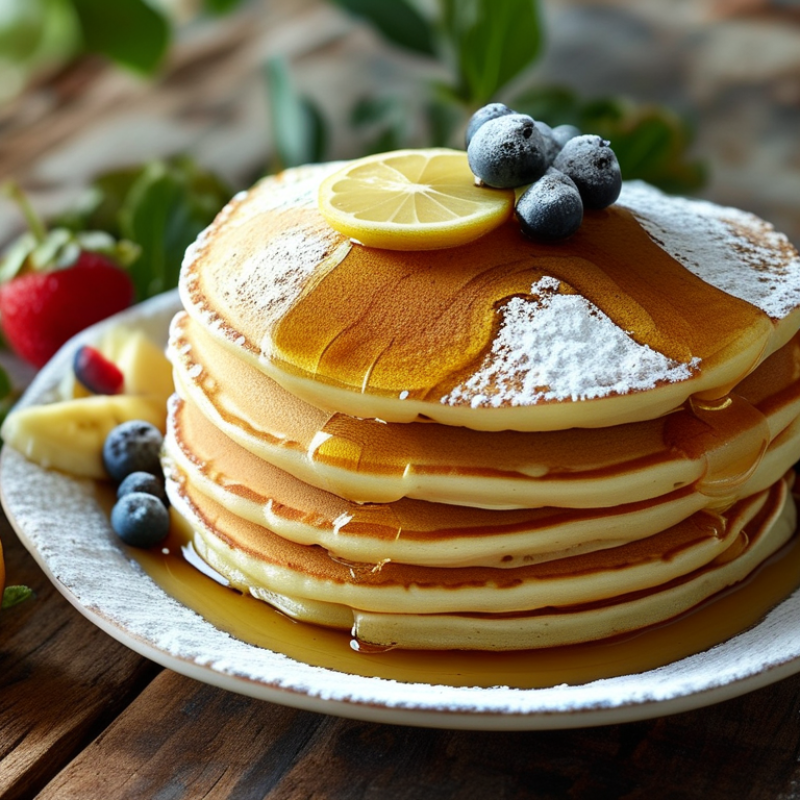
Tips: Check the calendar before planning your celebration. Prepare the batter early, then rest it for 20 minutes. Use a hot, lightly greased pan and flip carefully. Add lemon, fruit, or a small amount of sugar. Keep portions modest if your household treats Lent as a meaningful commitment. If you are sharing the day with others, ask about their religious customs first. My own understanding improved when I stopped treating Pancake Day as only a food event. It is also a date, a preparation ritual, and a reminder that traditions change. Not every explanation is perfectly certain. That is worth remembering.
How to Celebrate Pancake Day Around the World?
Shrove Tuesday’s Date and Pre-Lenten Origins
Pancake Day, also known as Shrove Tuesday, is observed on the day before Ash Wednesday.
Its date changes each year because it is linked to Easter. Traditionally, people used rich
ingredients such as eggs, milk, and butter before the fasting period of Lent began.
The bars show the calendar-day position of Shrove Tuesday, where January 1 equals day 1.
The dates are calculated from the annual Easter calendar and illustrate why Pancake Day
can occur in February or March.
Compare Global Traditions: Britain, France, Spain, the U.S., and Beyond
How to Celebrate Pancake Day Around the World?
Compare Global Traditions: Britain, France, Spain, the U.S., and Beyond
Britain’s Shrove Tuesday often feels like a friendly kitchen competition. Families mix thin batter, heat a pan, and race to flip pancakes without tearing them. Some communities hold pancake races, with runners carrying pans through busy streets. The tradition connects food with the day before Lent. Modern celebrations, however, often feel more playful than religious. In France, crêpes appear on February 2 during La Chandeleur, a separate calendar tradition. Some cooks hold a coin while flipping a crêpe with their other hand. The gesture represents hoped-for prosperity, not a guaranteed result.
Spain gives the season a louder, more communal character. In Galicia, Carnival tables may feature filloas, thin pancakes served sweet or savory. Recipes differ between coastal towns and inland villages. There is no single Spanish pancake. In the United States, pancake celebrations often center on breakfasts, charity events, and generous stacks. People add fruit, nuts, or warm syrup, then share tables with neighbors. The American version is less tied to one date, so local calendars shape the event.
Beyond these countries, Lithuania’s Užgavėnės includes blynai, masks, and noisy farewells to winter. Different ingredients carry different memories. Calling every custom “Pancake Day” can flatten real history. A better celebration might serve one familiar recipe and one local variation. My first pancake usually tears. That small failure feels honest. Perfect circles look impressive, but they reveal little about the cook.
Measure the Food Industry: UK Demand for Eggs, Flour, and Pancakes
How to Celebrate Pancake Day Around the World?
Pancake Day looks playful, but British kitchens reveal serious food demand. A hot pan, a paper flour bag, and a carton of eggs can signal wider market changes. The Department for Environment, Food and Rural Affairs reported more than 11 billion UK eggs produced in its Agriculture in the UK 2023 report. That large supply still faces seasonal pressure when households cook pancakes together.
Eggs are only one measure. The Agriculture and Horticulture Development Board’s Egg Market Dashboard tracks production, flock numbers, and wholesale prices. These indicators help explain whether demand reflects celebration or rising costs. Defra’s Family Food survey also records household purchases, including flour and eggs, although home baking data can be incomplete. People may buy flour for pancakes, bread, or cakes. The numbers cannot always tell us why.
Price matters. The Office for National Statistics recorded food and non-alcoholic beverage inflation at 4.0% in March 2024, after much sharper increases the previous year. A simple pancake recipe can therefore become a careful budgeting exercise. Families may use smaller eggs, cheaper flour, or fewer toppings. That choice is measurable, but not perfectly. Across France, Canada, and other pancake-eating countries, researchers could compare wheat prices, egg output, retail sales, and household spending. Celebration changes by culture. The supply chain remains connected.
Map Regional Recipes: Crêpes, Blini, Apam Balik, and Injera
How to Celebrate Pancake Day Around the World?
Map Regional Recipes: Crêpes, Blini, Apam Balik, and Injera
Pancake Day can travel through a kitchen without losing its local character. In France, thin crêpes arrive soft, golden, and slightly crisp at the edges. I like folding them around lemon, sugar, or warm fruit. My first crêpes tore easily. The batter needed more resting time than I expected. That small failure taught me to respect texture, not just appearance.
In Eastern Europe, blini are often smaller and thicker, with a tender, fermented taste. They pair well with sour cream, herbs, or smoked fish.
Apam balik, popular in parts of Southeast Asia, offers a different pleasure. Its folded shape can hold peanuts, sugar, or sweet corn, while the surface stays crisp.
Injera is not simply a pancake. It is a fermented, spongy flatbread from Ethiopian and Eritrean food traditions. Its tangy flavor and porous texture help carry stews and vegetables. Cooking it requires patience and a properly heated surface. Mine sometimes came out uneven. That was frustrating, but it made the regional technique feel real rather than decorative.
Each recipe deserves its own method, because “pancake” is only a broad description.