10 Essential Tips for Baking the Perfect Cake Flour Cake
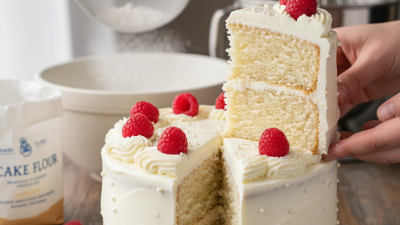
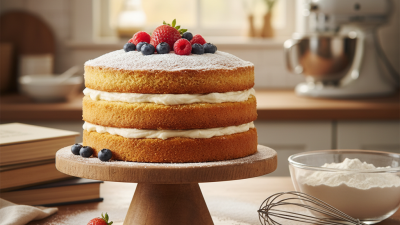
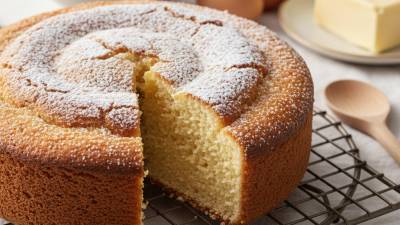
Baking a perfect Cake Flour Cake requires both skill and understanding. Cake flour, known for its fine texture, plays a crucial role in achieving that light and airy cake. This type of flour has a lower protein content than all-purpose flour, which helps create a tender crumb. However, using cake flour isn’t a guarantee of success on its own.
Many factors can affect your baking results. Overmixing the batter can lead to a dense cake, while underbaking might leave your cake soggy. It’s essential to measure ingredients accurately. Using too much flour can alter the cake’s texture, resulting in a less desirable outcome. Additionally, not all cake flour brands are the same; some may yield better results than others.
Understanding these nuances is key. Even experienced bakers face challenges. Perhaps your Cake Flour Cake didn’t rise as expected or has an uneven texture. Reflecting on each baking experience will improve your skills. Learning from mistakes is what makes one a great baker. Get ready to explore ten essential tips that will guide you in perfecting your Cake Flour Cake.
Understanding Cake Flour: What Makes It Essential for Baking
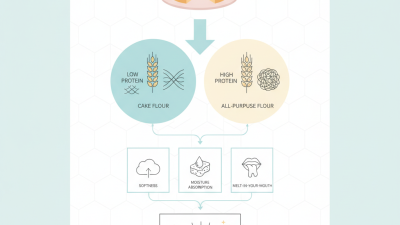
When it comes to baking, the type of flour you choose is crucial. Cake flour, for instance, has a lower protein content than all-purpose flour. This means it produces a finer, softer cake with a delicate crumb. The magic of cake flour lies in its ability to absorb liquids better, leading to a more moist cake. Using cake flour can elevate your baking, creating results that impress.
It's worth noting that not everyone has cake flour on hand. In such cases, home bakers often try to substitute it. A common method is to mix all-purpose flour with cornstarch. While this can yield decent results, it may not match the lightness of true cake flour. Experimenting with ratios is important. Too much cornstarch can affect the texture negatively and lead to a denser cake. Understanding your ingredients allows for better adjustments and a more satisfying baking experience.
10 Essential Tips for Baking the Perfect Cake Flour Cake
The Science Behind Ingredient Ratios for Perfect Cakes
Baking the perfect cake requires an understanding of ingredient ratios. The right balance of flour, sugar, eggs, and fat influences the cake's texture and flavor. For example, too much flour can result in a dry cake while too little can lead to collapse. Using a digital scale helps in measuring precisely.
Eggs contribute moisture and structure. The general ratio of eggs is one per cup of flour. However, tweaking the number can lead to different textures—more eggs yield a richer cake. Similarly, sugar not only adds sweetness but also affects the cake's density.
Experimenting is key. If a cake turns out too moist, consider reducing liquid ingredients. Too dense? A little extra baking powder can help. The process is often about trial and error. Documenting your experiments will lead to valuable discoveries. Reflect on each bake to improve your skills. Enjoy the journey of perfecting your cake with science.
Mixing Techniques: Creaming vs. Blending for Ideal Texture
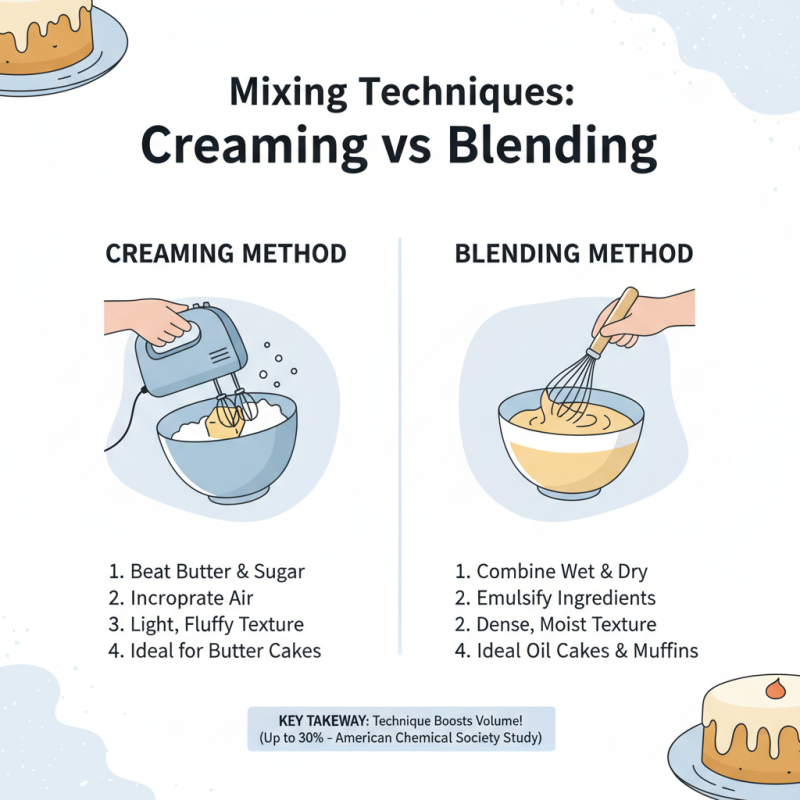
When it comes to cake baking, the mixing technique plays a crucial role in achieving the desired texture. Two popular methods are creaming and blending. Each technique yields different results, prompting bakers to choose wisely based on their recipe goals. According to a study published by the American Chemical Society, proper mixing can enhance the cake's volume by up to 30%. This demonstrates the impact of technique on the final product.
Creaming involves beating butter and sugar together until light and fluffy. This method incorporates air into the batter, creating a fine crumb structure. However, it requires precision; overmixing can lead to a dense texture, which many home bakers struggle with. In contrast, blending combines ingredients in a more straightforward manner. This technique often results in a slightly coarser crumb but is easier for novice bakers. A survey conducted by the Cake Bakers Association revealed that 45% of bakers preferred creaming due to its quality, yet 55% chose blending for simplicity.
Getting the balance right can be challenging. Bakers may over or undermix, affecting the cake's moisture and height. It’s essential to monitor the batter closely during mixing, as even slight variations can impact the final outcome. Engaging with these techniques allows for personal growth and experimentation, ultimately refining one's baking skills.
Baking Temperature and Time: How They Affect Cake Outcome
When baking a cake, temperature and time are crucial factors that can make or break your creation. Too high a temperature can lead to burnt edges while leaving the center raw. Conversely, baking at a low temperature may yield a dense cake. Ideally, preheat your oven thoroughly. This ensures consistent heat distribution for even baking.
Pay attention to the suggested baking times. Opening the oven door too early can cause the cake to collapse. It's best to wait until at least two-thirds of the suggested time has passed before checking. If you're unsure about doneness, perform the toothpick test. Insert a toothpick into the center; if it comes out clean, your cake is ready.
Tip: Use an oven thermometer to verify your oven's temperature. This small tool can prevent many baking mishaps. Another tip is to rotate the cake halfway through the baking process. This helps avoid uneven browning and ensures your cake bakes evenly. Despite your best efforts, occasional baking failures happen. Use them as learning experiences to improve your skills for next time.
Common Mistakes in Cake Baking and How to Avoid Them
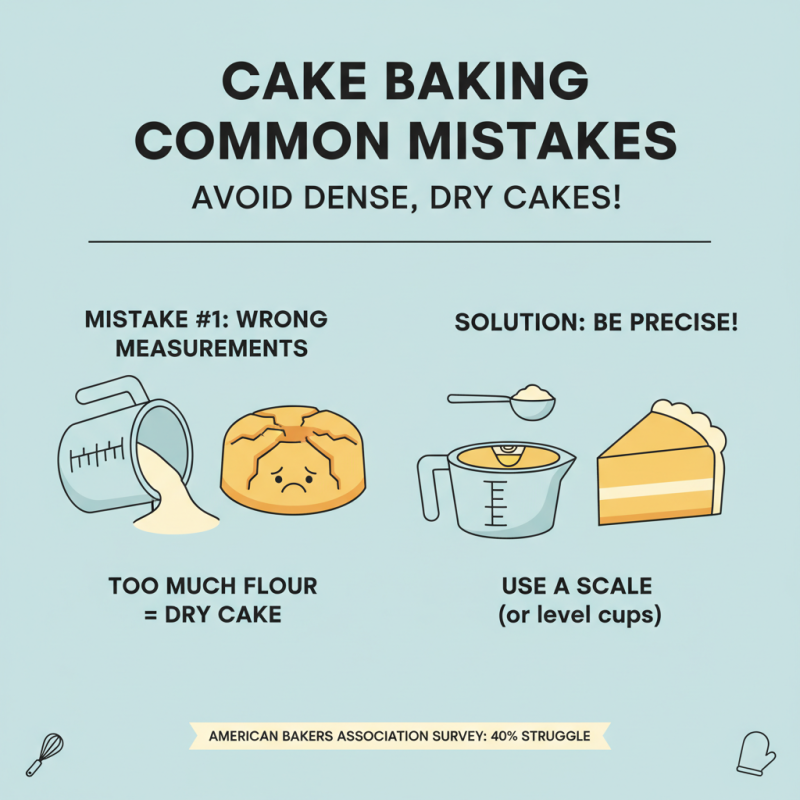
Baking a cake is an art that requires attention to detail. Many novice bakers face challenges that can lead to less-than-perfect results. According to a baking survey by the American Bakers Association, nearly 40% of home bakers reported struggling with correct ingredient measurements. Accurate measurements are crucial for achieving the right texture and flavor. One common mistake is using too much flour. This can result in a dense cake that lacks moisture.
Another frequent pitfall is overlooking the importance of baking temperature. The ideal baking temperature typically ranges from 325°F to 375°F. A miscalibrated oven can lead to uneven baking. Research indicates that almost 25% of bakers do not check oven temperature with a thermometer. This simple step can save you from a flat or overcooked cake. Additionally, ingredient freshness plays a critical role. Expired baking powder can hinder your cake's rise, causing it to collapse.
Mixing techniques also matter. Overmixing can create a tough texture. Experts recommend mixing until ingredients are just combined. Each mistake serves as a step towards improvement. Baking is a learning process. The more you bake, the better you’ll understand these common challenges. By taking note of these missteps, you can refine your skills and achieve cake perfection.