How to Make Gluten Free Steamed Buns at Home Easily?
In recent years, the demand for gluten-free products has surged. A report by the Global Data estimates that the gluten-free market will reach $33 billion by 2028. This growing trend reflects a shift in dietary preferences and health consciousness among consumers. One popular item gaining traction is Gluten Free Steamed Buns.
Traditionally made with wheat flour, steamed buns present challenges for those who cannot consume gluten. However, adapting recipes offers opportunities for all food lovers. It's essential to understand gluten-free alternatives to create flavorful, light, and fluffy buns. The right combination of ingredients makes all the difference.
Cooking gluten-free can be daunting, but mastering Gluten Free Steamed Buns at home can be rewarding. With careful selection of flours and techniques, you can produce satisfying results. Your journey will include some trial and error, as not every recipe will meet expectations. Enjoy the process, and learn more about creating delicious, gluten-free options.
Understanding Gluten-Free Ingredients for Steamed Buns
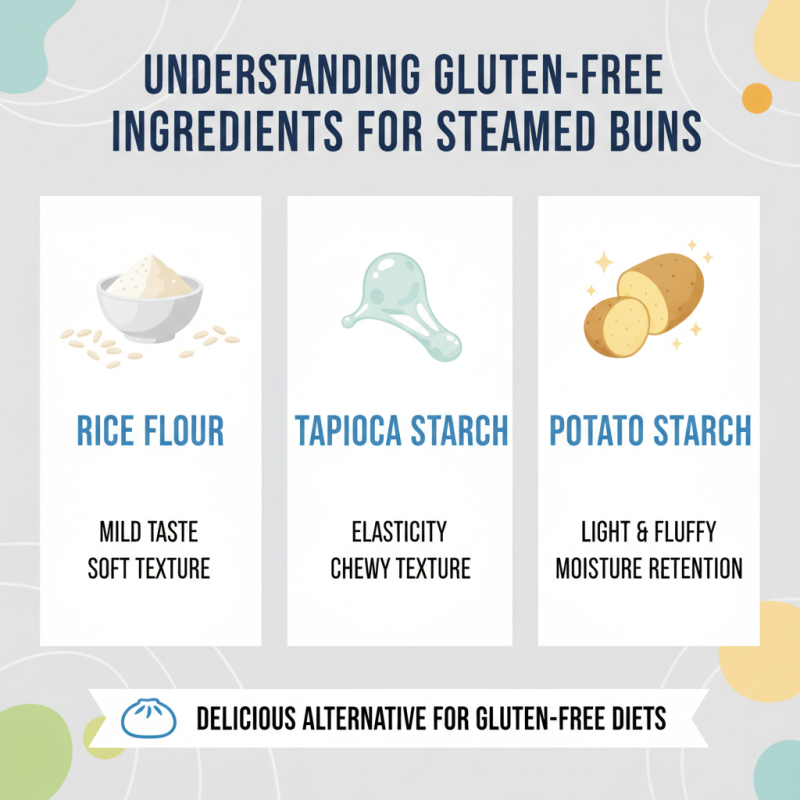
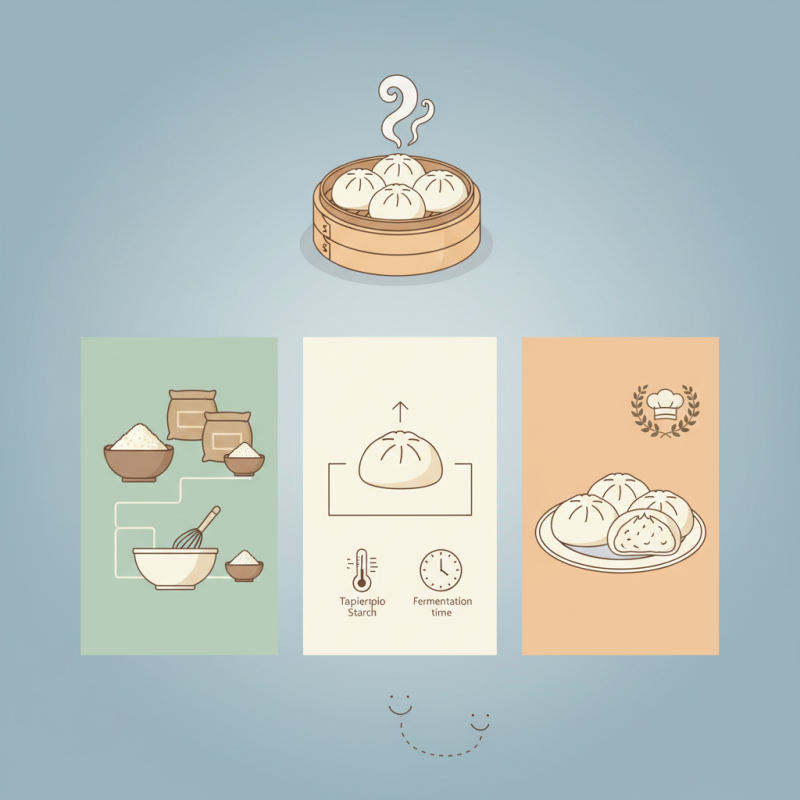
Gluten-free steamed buns are a delightful alternative for those avoiding gluten. Choosing the right ingredients is crucial. Rice flour, tapioca starch, and potato starch are popular. Each ingredient brings unique textures and flavors. Rice flour tends to have a mild taste, while tapioca starch adds elasticity.
Research shows that gluten-free diets are on the rise. Approximately 30% of consumers are trying to reduce gluten in their meals. However, many gluten-free products lack the fluffy texture of traditional buns. This gap indicates a need for better ingredient alternatives. Mixing different flours can enhance texture. For instance, a blend of 60% rice flour with 40% tapioca starch improves chewiness.
Experimenting with techniques can yield surprising results. Overworking the dough might make buns dense. Yet, not kneading enough can lead to crumbly textures. Finding the right balance is essential. Viewing gluten-free baking as a journey, not a destination, may lead to delicious discoveries.
Step-by-Step Recipe for Preparing Gluten-Free Steamed Bun Dough
Making gluten-free steamed buns at home can be rewarding. The dough preparation is key to achieving a fluffy texture. Start by choosing a mix of gluten-free flours, such as rice flour and tapioca starch. Combine them in a bowl with some baking powder and a pinch of salt. These ingredients add texture and flavor. Gradually incorporate warm water and knead until the dough is smooth but slightly sticky.
To make the dough rise, cover it with a damp cloth and let it sit in a warm place for about 30 minutes. This step allows the ingredients to meld together. Remember, the timing can vary. If the kitchen is cold, the dough may need more time. After resting, divide the dough into equal parts. Shape them into balls and flatten them for your buns.
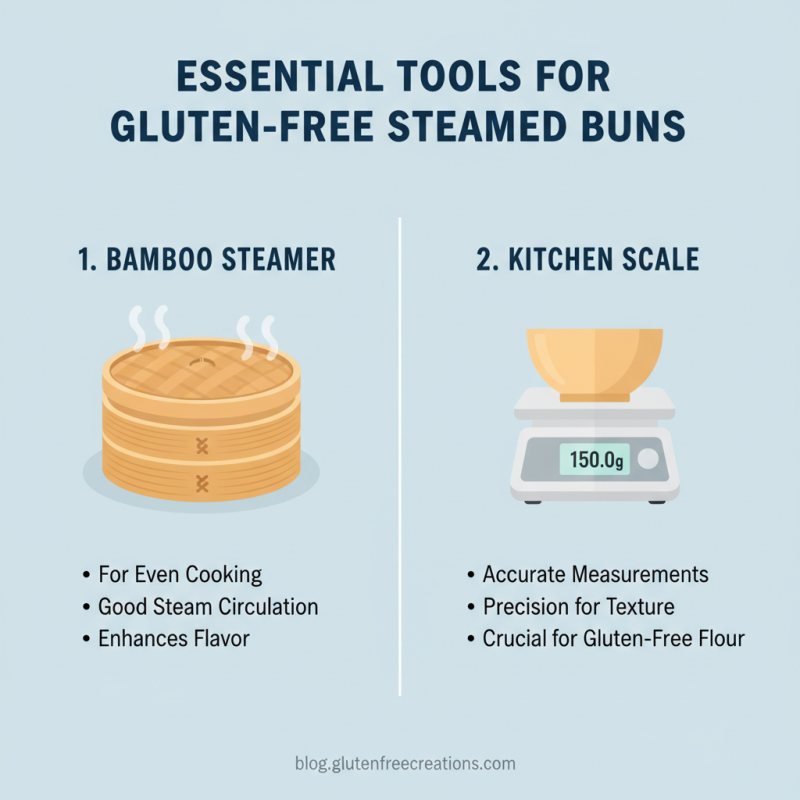
Tips for success: Use a bamboo steamer for the best results. Place parchment paper beneath each bun to prevent sticking. Steaming takes about 15 minutes, but keep an eye on them. Overcooking can lead to dense buns. If your dough feels too dry, add a bit more water. Adjustments may be necessary based on humidity levels. Always taste and tweak for the perfect balance. Keep experimenting until you achieve your desired texture.
Gluten-Free Steamed Buns Recipe Ingredients Comparison
Techniques for Shaping and Filling Gluten-Free Steamed Buns
Creating gluten-free steamed buns at home can be fun and rewarding. One of the most critical aspects is mastering the shaping and filling techniques. The texture and taste depend largely on how well you shape the buns. According to a report by the Gluten Intolerance Group, interest in gluten-free products has surged over the past five years, highlighting the importance of learning these skills.
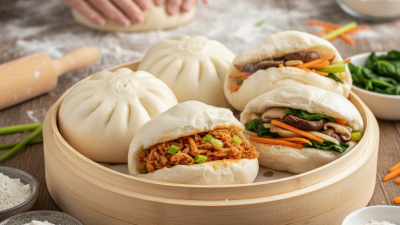
Begin by preparing a gluten-free dough using alternative flours. Options include rice flour, tapioca flour, and potato starch. Mix them thoroughly to create a homogeneous mixture. Then, when shaping the buns, use a light touch. The dough can be sticky, making it essential to keep your hands dusted with flour. After portioning the dough, flatten it gently using your palms. For filling, use a spoon to introduce your choice of stuffing—minced vegetables or meats work wonderfully. Remember to leave enough dough around the edges to seal the bun properly.
Common pitfalls can occur during the steaming process. If the water is too hot, the buns may burst. Conversely, if the temperature is too low, they may not cook properly. Pay attention to your steamer setup. Ensure you have enough space between the buns. This prevents them from sticking together. With practice, these techniques will lead to satisfying results, even if your first attempts might need a bit of refinement.
Proper Steaming Methods and Tips for Perfectly Cooked Buns
To achieve perfectly cooked gluten-free steamed buns, attention to steaming methods is vital. Begin by preparing your steaming setup. A traditional bamboo steamer or a heatproof dish over simmering water works well. Ensure the water boils before placing the buns inside. This step helps create steam quickly, which is essential for proper cooking.
Getting the steaming time right can be tricky. Over-steaming might leave your buns soggy, while under-steaming leads to a dense texture. Aim for 15 to 20 minutes once the steam starts circulating. Check one bun occasionally to assess doneness. Another common hurdle is ensuring that the buns do not stick to the steamer. Lining your steamer with parchment paper can help prevent this issue.
Temperature control is crucial. When the water begins to evaporate, replenish it without disrupting the cooking process. If unsure, a kitchen thermometer can be handy, keeping an eye around 212°F (100°C). The right balance of humidity and heat makes all the difference. Adjust based on your kitchen environment; elevation or humidity can impact steaming results. Cooking is often about experimentation, so don’t hesitate to adjust these methods as you learn what works best for you.