What is Hand Pulled Noodles and How to Buy Them?
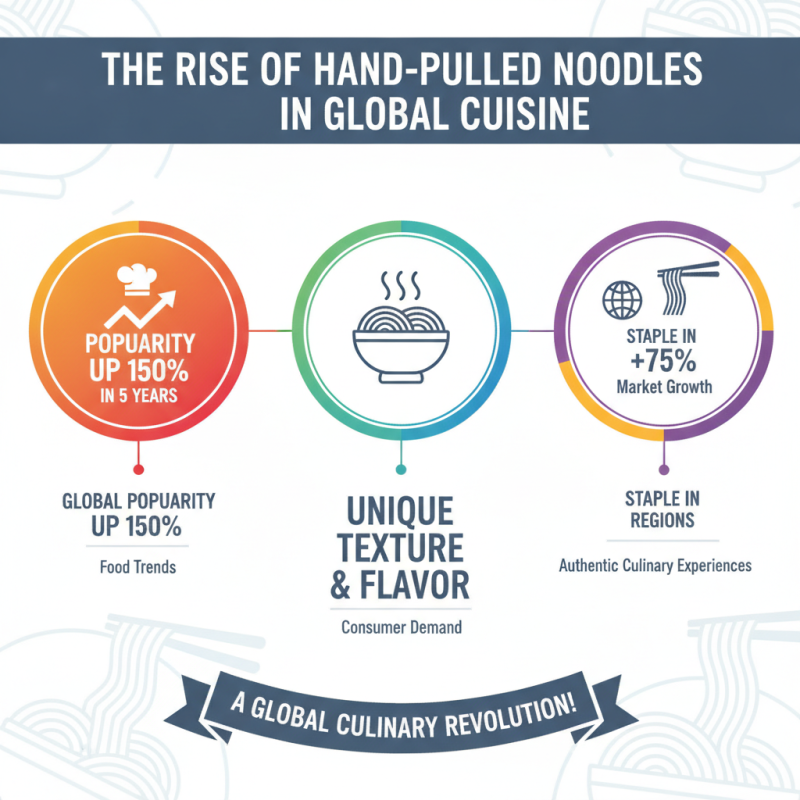
Hand Pulled Noodles have taken the culinary world by storm. Their unique texture and flavor differentiate them from other noodle types. The global noodle market is projected to reach $268 billion by 2025, with hand-pulled variations gaining immense popularity among food enthusiasts. According to a report by Grand View Research, the demand for authentic Asian cuisine, including hand-pulled noodles, is on the rise.
Crafting hand-pulled noodles requires skill and practice. Traditional chefs dedicate years to perfecting their technique. These noodles are often made fresh, resulting in a chewy texture that pairs beautifully with various broths and sauces. However, finding high-quality hand-pulled noodles can be challenging. Consumers may encounter inconsistencies in taste and texture. Observing the craftsmanship of the noodles can be as important as flavor when selecting them.
Many factors can influence the quality of hand-pulled noodles, including ingredients and preparation methods. Understanding these aspects is crucial. Being informed can lead to a greater appreciation of this art form. The journey to find the perfect bowl of hand-pulled noodles is not just about taste. It's about embracing tradition and culture in every bite.
What Are Hand Pulled Noodles? An Overview of Their History and Significance
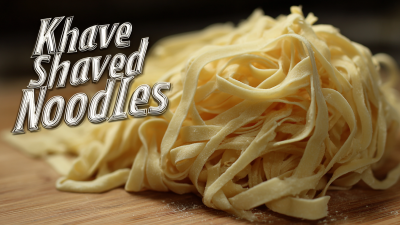
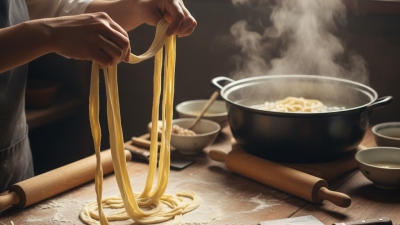
Hand pulled noodles, known as “lamian” in Chinese, boast a rich history and cultural significance. This traditional dish has roots in various regions of China, dating back over a thousand years. The technique involves stretching and folding dough repeatedly until it forms long, elastic strands. This labor-intensive process requires skill and practice, often passed down through generations.
The significance of hand pulled noodles extends beyond the kitchen. They embody the craftsmanship of culinary arts and reflect regional variations. Nourishing and comforting, they are often served in broths or stir-fried with vegetables. This dish brings communities together, making it a popular choice for celebrations and family gatherings. Observing a chef create these noodles is almost mesmerizing, full of energy and tradition.
While enjoying hand pulled noodles, one might find that not every bowl is perfect. Variations in thickness and texture can occur. This inconsistency invites reflection on the artistry involved. Each unique strand tells a story, contributing to the overall experience of this cherished dish. The journey of hand pulled noodles is not just about taste; it's about heritage and human connection.
Popularity of Hand Pulled Noodles by Year
Key Ingredients and Techniques Used in Making Hand Pulled Noodles
Hand pulled noodles are a staple in Chinese cuisine, renowned for their chewy texture and rich flavors. The key ingredients are simple: high-gluten flour, water, and a pinch of salt. The type of flour used is crucial. High-gluten flour absorbs more water, allowing the noodles to develop a consistent chewiness.
Techniques in making these noodles are fascinating. The dough is kneaded until smooth and elastic, then rested, allowing gluten to relax. After resting, the dough is stretched and folded repeatedly, a process that can take several rounds. This means a lot of practice to master the hand-pulling technique.
Tips for making hand-pulled noodles at home include using warm water, which helps the gluten develop. Too much pressure while pulling can lead to uneven thickness, so be gentle. You might encounter moments of frustration as the dough may not cooperate initially. Remember, patience is key. If the noodles break, regroup and knead again. With practice, you will find joy in each strand you create.
Regional Variations: Exploring Different Styles of Hand Pulled Noodles
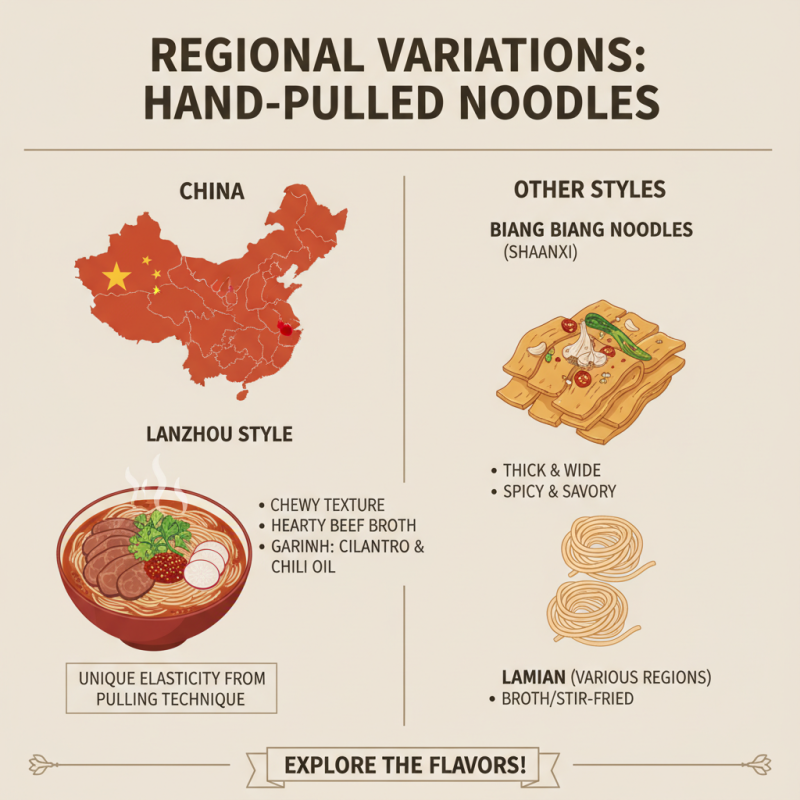
Hand-pulled noodles are a culinary delight with a rich history. Various regions create their distinct styles, each with unique flavors and textures. In China, the differences are particularly striking. For example, the Lanzhou noodles are famous for their chewy texture and are often served in a hearty beef broth, garnished with fresh cilantro and chili oil. The technique of pulling gives them a unique elasticity, making each bowl a comforting experience.
Moving eastward, you encounter the hand-pulled variants popular in Shanxi. These noodles are usually wider and thicker, perfect for capturing the deep, savory taste of their rich sauces. In contrast, Northern noodles may be lighter and are often served with vegetables for a refreshing meal. The diversity is fascinating but can be overwhelming. The key is to explore and taste as many styles as possible.
While you might find yourself stuck choosing a favorite, each variation reflects local traditions and ingredients. It is intriguing to see how water, flour, and technique combine to create entirely new dishes. Perhaps the real joy lies in the imperfections of each handmade noodle, reflecting the care and artistry of the chef. Discovering these regional variations can lead to delightful surprises and new culinary adventures.
How to Select Quality Hand Pulled Noodles: Tips for Purchasing
Hand-pulled noodles, known for their unique texture and taste, are crafted through a labor-intensive process. Selecting quality hand-pulled noodles requires an understanding of what to look for. The texture should be smooth and chewy, reflecting the skill of the craftsman. According to a report from the Asian Culinary Institute, noodle quality greatly impacts both flavor and health attributes.
When purchasing hand-pulled noodles, consider their color. Quality noodles typically have a slightly translucent appearance. Avoid those that look too dull or overly dry. Freshness also matters: noodles should be soft and pliable. A simple test is to stretch a noodle slightly; it should not break easily.
Here are some helpful tips for selecting the best hand-pulled noodles: Look for local vendors who specialize in handmade products. Inspect packaging for any ingredients that indicate freshness, like water and flour. If you can, ask about the pulling method; the more traditional, the better the result. Finally, trust your taste buds—if the flavor excites your palate, then you're likely on the right track.
What is Hand Pulled Noodles and How to Buy Them? - How to Select Quality Hand Pulled Noodles: Tips for Purchasing
| Feature |
Description |
Quality Indicator |
| Texture |
Chewy and bouncy |
Consistent elasticity |
| Color |
Light beige to yellowish |
Natural wheat color |
| Thickness |
Varies from thin to thick |
Uniform throughout |
| Freshness |
Preferably made the same day |
Check expiration date or sell-by date |
| Packaging |
Sealed and airtight |
No visible tears or damages |
| Price |
Typically ranges from $3 to $10 per package |
Higher price may indicate better quality |