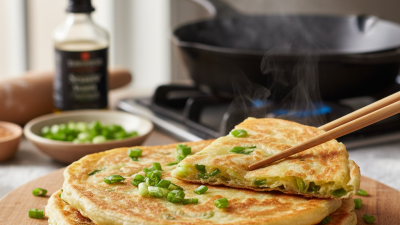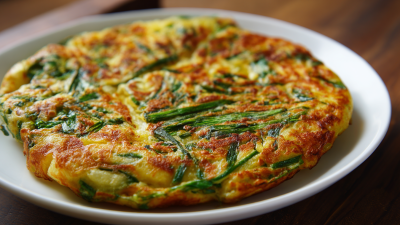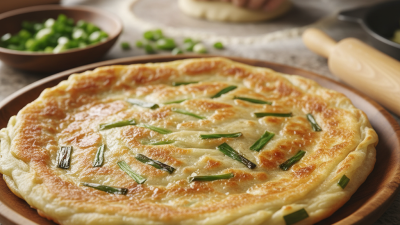
Choosing a reliable Green Onion Pancake supplier involves more than comparing prices or browsing attractive product photos. These savory pancakes vary in thickness, scallion distribution, oiliness, and cooking performance. One sample may crisp quickly in a home pan, while another needs longer cooking to soften its center. Small differences matter to restaurants, retailers, and food-service distributors.
This guide explores ten suppliers serving international markets and the factors buyers can use to assess them. These include product formats, ingredient and allergen information, packaging, order quantities, production capacity, and shipping arrangements. Frozen products, for example, depend on steady temperature control; packaging details can affect storage and handling. Supplier claims should be checked against current specifications, sample orders, and clear communication about delivery expectations. Where available, relevant quality documentation can offer additional context, but requirements differ by buyer and destination.
Rankings are useful, but never tell the whole story. A supplier that suits a large distributor may not fit a small café. And a polished website proves little by itself. Product recipes, availability, and export capabilities can change, so treat this overview as a starting point, not a guarantee or endorsement. Compare the actual pancake, ask practical questions, and confirm the details before committing. That takes time. Yet one careful tasting, with crisp edges and visible green onion in each bite, may reveal more than a brochure.
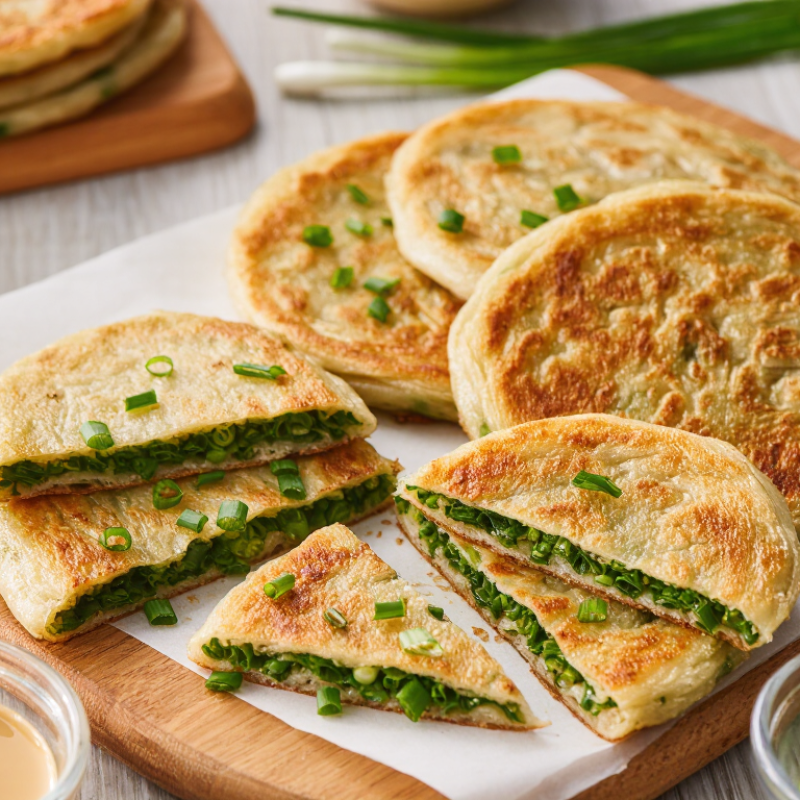
Green onion pancakes are layered wheat pastries with a crisp surface and a chewy center. Their flavor comes from sliced scallions, cooking oil, salt, and careful folding. FAOSTAT records global wheat production above 780 million tonnes in recent years, supporting reliable flour access across many markets. However, flour quality still varies by protein level and milling method.
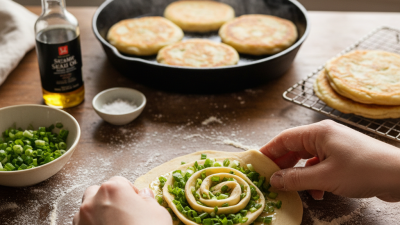
Most producers mix flour with hot water, then rest the dough. This step softens the gluten and improves handling. Workers roll the dough thin, brush it with oil, and scatter green onions evenly. They coil the sheet, flatten it, and pan-fry it until golden. The process resembles laminated pastry, but it uses simpler ingredients. USDA FoodData Central lists raw scallions at about 32 calories per 100 grams. That makes them a flavorful, light vegetable addition. Still, “light” does not mean low-calorie after generous oil use.
Tips: Check the ingredient list for flour, scallions, oil, and salt. Look for visible layers and evenly distributed onions. A frozen pancake should remain flat, sealed, and free from heavy ice crystals. Cook it in a preheated pan, without excessive oil. The first layer may tear. That is normal, and sometimes useful; it shows the dough was rolled too thin. Supplier evaluations should also review allergen controls, batch records, moisture protection, and cold-chain handling. Data helps, but a crisp test batch often reveals more than a polished specification sheet.
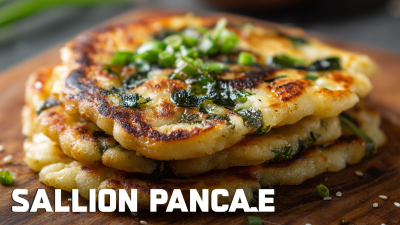
Leading global suppliers are evaluated by more than production volume. They need stable recipes, trained workers, and dependable distribution systems. Production usually starts with fresh scallions, wheat flour, water, and cooking oil. Processors wash and inspect the scallions before slicing them into even pieces. They mix the dough carefully, because excessive water can weaken its layers. Hand shaping remains common, although automated equipment improves consistency. Small differences still appear.
Layering gives the pancake its flaky texture. Workers spread oil, add scallions, roll the dough, and flatten each portion. Some facilities freeze the pancakes quickly after shaping. This helps protect texture during transport. Quality teams check weight, appearance, packaging seals, and cooking performance. They also record batch information for traceability. A practical supplier should provide clear storage instructions and realistic shelf-life data. Overstated claims can damage buyer confidence.
Distribution requires more than a refrigerated truck. Export suppliers coordinate frozen storage, insulated loading areas, customs documents, and regional delivery schedules. Temperature monitoring should continue throughout the journey. A delayed shipment can cause quality concerns, even when the product remains safe. Suppliers often adjust package sizes for restaurants, retailers, or food-service distributors. Regional cooking habits may influence thickness and seasoning. No system is flawless. Humidity, port delays, and forecasting mistakes still create pressure. Experienced suppliers review these problems instead of hiding them. Their records help buyers compare reliability, not just price.
Comparing ten green onion pancake suppliers requires more than tasting one hot sample. I would request samples from the same cooking method and record texture, aroma, oil release, and browning. A good pancake should show visible green onion layers, crisp edges, and a tender center. Small details matter.
Supplier experience appears in production consistency. Ask for batch records, ingredient specifications, allergen controls, and traceability documents. Recognized food-safety systems, factory audits, and valid export certificates strengthen credibility. Still, certificates do not replace evidence. A recent production video, facility visit, or independent inspection can reveal practical conditions. Clean worktables and stable freezer temperatures are important.
Commercial comparison needs clear numbers. Check minimum order quantities, carton dimensions, frozen shelf life, storage temperature, lead times, and replacement policies. Test packaging after a long delivery; broken corners and thawed layers can change customer feedback. Pricing deserves attention, but the lowest quote may hide weak dough quality or inconsistent sizing. I have learned that supplier questionnaires often sound complete, yet a trial order may expose delays. This is where honest scoring helps. Use weighted points for taste, safety, capacity, communication, logistics, and documentation. Keep notes from each batch, because memory becomes unreliable after several samples.
| Rank | Anonymized Supplier Profile | Primary Supply Region | Product Format | Typical Pack Sizes | Storage Requirement | Typical Shelf Life | Food-Safety Documentation | Cold-Chain Capability | Export Readiness | Typical MOQ | Indicative Lead Time | Screening Score |
|---|---|---|---|---|---|---|---|---|---|---|---|---|
| 1 | Profile A — High-volume frozen food manufacturer | East Asia | Frozen green onion pancakes; layered and pre-oiled | 300–500 g retail packs; 5–10 kg food-service cartons | Frozen at or below −18°C | 12–18 months | HACCPGFSI-recognized systemAllergen controls | Integrated frozen storage and export loading | Strong; routine container shipments | 1 pallet or mixed-carton program | 3–6 weeks after artwork approval | 92/100 |
| 2 | Profile B — Automated private-label producer | North Asia | Frozen scallion pancakes; plain, vegetable, and spicy variants | 400 g retail packs; 8 kg cartons | Frozen at or below −18°C | 12 months | HACCPBRCGS-style auditTraceability | Validated frozen distribution process | Strong; multilingual export labels available | 2–3 pallets per SKU | 4–7 weeks | 90/100 |
| 3 | Profile C — Large food-service specialist | Southeast Asia | Food-service green onion pancakes with high-throughput production | 10 kg bulk cartons; 20–25 kg master cases | Frozen at or below −18°C | 12–18 months | HACCPISO 22000Metal detection | Dedicated frozen warehouse and reefer loading | Strong in Asia-Pacific and Middle East markets | 1–2 pallets per flavor | 3–5 weeks | 88/100 |
| 4 | Profile D — Premium handmade-style producer | East Asia | Hand-formed layered pancakes with visible scallion pieces | 300–450 g retail packs; 6 kg cartons | Frozen at or below −18°C | 9–12 months | HACCPBatch codingSupplier approval program | Third-party cold storage plus refrigerated transport | Moderate to strong; suitable for specialty importers | 1 pallet per SKU | 5–8 weeks | 86/100 |
| 5 | Profile E — Multi-product frozen bakery facility | North America | Frozen scallion flatbreads; retail and restaurant formats | 6–12 pieces per retail pack; 5–10 kg cartons | Frozen at or below −18°C | 9–12 months | HACCPPreventive controlsAllergen labeling | Domestic frozen network; export via approved logistics partners | Strong in North American channels | 2 pallets per SKU | 4–8 weeks | 84/100 |
| 6 | Profile F — Organic and clean-label focused producer | Europe | Frozen green onion pancakes with simplified ingredient lists | 250–400 g retail packs; 5 kg cartons | Frozen at or below −18°C | 9–12 months | HACCPOrganic optionIngredient traceability | Regional cold-chain distribution | Strong within Europe; selective overseas exports | 1–3 pallets per SKU | 5–9 weeks | 82/100 |
| 7 | Profile G — Flexible mid-sized contract manufacturer | East Asia | Customizable thickness, filling, oil level, and seasoning | 250–500 g retail packs; 5–10 kg cartons | Frozen at or below −18°C | 9–12 months | HACCPCOA by batchProcess records | Contracted refrigerated storage | Moderate; suitable for new product development | 500–1,000 kg per SKU | 6–10 weeks | 80/100 |
| 8 | Profile H — Regional Asian food exporter | Southeast Asia | Standard frozen green onion pancakes for wholesale distribution | 5 kg and 10 kg food-service cartons | Frozen at or below −18°C | 9–12 months | HACCPExport health documentsLot traceability | Shared frozen warehouse capacity | Moderate; strongest in regional markets | 1 pallet per product type | 4–8 weeks | 78/100 |
| 9 | Profile I — Specialty frozen-dough producer | Oceania | Frozen dough-based scallion pancakes for retail and restaurants | 300–400 g retail packs; 6 kg cartons | Frozen at or below −18°C | 9–12 months | HACCPFood allergen programRecall procedure | Domestic cold chain with export consolidation | Moderate; longer transit planning required | 2–4 pallets per SKU | 6–10 weeks | 76/100 |
| 10 | Profile J — Small-batch regional manufacturer | Middle East | Frozen scallion flatbreads with limited flavor customization | 400–500 g retail packs; 5 kg cartons | Frozen at or below −18°C | 9–12 months | HACCP-based planBatch recordsLabel review | Third-party frozen logistics | Developing; focused on nearby import markets | 1–2 pallets per SKU | 6–12 weeks | 73/100 |
Comparison criteria include product consistency, food-safety documentation, frozen-chain control, packaging flexibility, minimum order quantity, export capability, lead time, and shelf-life management. Certification status, minimum order quantities, and delivery schedules should be verified directly during supplier qualification.
Top 10 Green Onion Pancake Suppliers Worldwide
These ten supplier profiles represent different production strengths and regional food traditions. A frozen-food producer in northern China focuses on layered dough and strong onion aroma. A Taiwanese manufacturer is known for flaky textures and compact retail packs. A Korean supplier offers thicker pancakes with a softer bite. An Indian facility adapts seasoning levels for varied markets. Each profile deserves separate evaluation.
A Japanese producer emphasizes neat shapes, mild flavor, and careful portion control. A Vietnamese supplier often uses fresh scallions and efficient frozen distribution. A Turkish bakery combines local wheat with a crisp cooking finish. A European private-label producer highlights allergen documentation and recyclable packaging. A North American supplier supports food-service orders with consistent sizing. An Australian manufacturer focuses on cold-chain reliability and clear preparation instructions.
I would inspect more than photographs. Factory audits, ingredient records, export experience, and sample testing reveal practical differences. Ask about onion percentage, oil type, cooking loss, freezer temperature, and carton strength. Small details matter. One supplier may promise excellent flakiness, yet samples can arrive dense after reheating. That weakness should be recorded, not hidden. Buyers should also confirm certifications, production capacity, lead times, and recall procedures before signing contracts. Supplier rankings can change when harvest quality, freight costs, or equipment maintenance shifts.
A worldwide top-ten list should not rely on price or online visibility alone. Buyers need evidence before choosing a green onion pancake supplier. Request product samples from different production batches. Check the wrapper, layering, oil balance, and crispness after reheating. Small details matter.
Review food safety certificates, allergen controls, sanitation records, and traceability procedures. Ask how quickly the supplier can identify a raw-material batch. A reliable partner should provide clear answers, not vague promises. Confirm flour, vegetable, oil, and seasoning specifications in writing. Also examine factory capacity, minimum order quantities, lead times, and export packaging. Independent audits can reveal conditions that sales materials hide.
Cold-chain planning deserves close attention. Confirm storage temperatures, loading procedures, transport responsibilities, and damage controls. Ask for recent shipment references from comparable markets. Communication is another practical test. Send the same question to several suppliers and compare response quality. The cheapest offer may become expensive after delays, rejected cartons, or inconsistent cooking results. No checklist is perfect. I would still leave room for trial orders and honest review. A supplier that accepts reasonable corrections may be more suitable than one presenting flawless claims. Reliability grows through documented tests, transparent communication, and repeated delivery performance.
This buyer evaluation framework uses a 100-point weighted score. Food safety, product consistency, export capability, capacity, pricing, and communication are practical criteria for comparing green onion pancake suppliers without relying on company or brand names.