Top 10 Fried Dough Sticks from China What Makes Them Unique?
Fried Dough Sticks hold a special place in Chinese cuisine. These delicious treats come in various forms, each with unique flavors and textures. They are commonly enjoyed for breakfast, often paired with soy milk or rice porridge.
From regional variations to cooking methods, the diversity of Fried Dough Sticks is intriguing. In northern China, you might find thicker and puffier versions. Meanwhile, southern styles tend to be longer and crispier. This article explores the top ten Fried Dough Sticks that showcase these unique characteristics.
Exploring the world of Fried Dough Sticks offers insights into Chinese food culture. Each stick tells a story, reflecting regional ingredients and cooking techniques. It's fascinating how something so simple can embody deep culinary traditions. Let's dive into the world of Fried Dough Sticks and discover what makes them truly unique.
History of Fried Dough Sticks in Chinese Cuisine
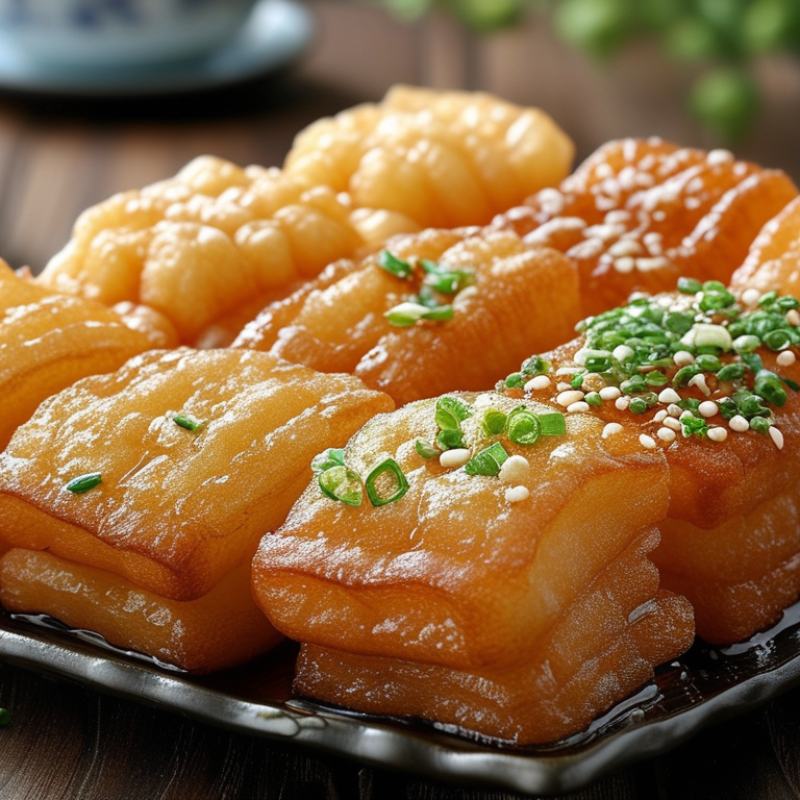
Fried dough sticks, or "youtiao," have a long and rich history in Chinese cuisine. Originating over a thousand years ago, they were initially served to accompany congee. Over time, their popularity surged, becoming a staple breakfast item. They are typically made from a dough that is twisted and deep-fried until golden brown. This unique preparation results in a crispy outer layer, while the inside remains soft and airy. This contrast in texture enhances the overall taste, making them irresistible.
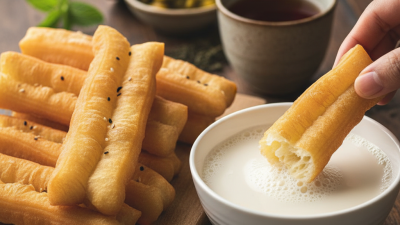
The cultural significance is profound. Fried dough sticks symbolize the start of a new day, embodying freshness and renewal. In various regions, they are enjoyed differently. In some parts, people dip them in soy milk, while others pair them with sweet condiments. The versatility of "youtiao" allows it to adapt to different tastes and preferences, contributing to its enduring appeal.
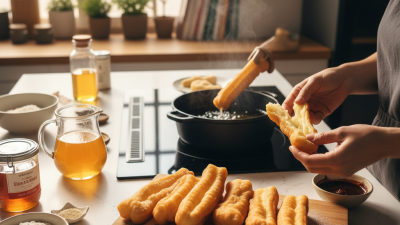
When trying to make these at home, pay attention to the dough's consistency. It should be elastic, but not too sticky. Using good quality oil can also make a difference. Remember, the frying temperature is key; too low will make them oily, while too high may lead to burnt edges. Achieving the perfect fried dough stick takes practice and patience.
Regional Variations of Fried Dough Sticks Across China
Fried dough sticks, known as youtiao, are popular street food across China. Each region offers a unique twist. In Beijing, youtiao tends to be thinner and crispier. They are often enjoyed with soy milk for breakfast. The contrast between the soft drink and the crunchy dough stick is delightful. In contrast, the southern regions, like Guangdong, prefer a thicker and chewier version. Often, they serve it with rice porridge, adding a savory aspect to the meal.
In the northwest, flavors take a different turn. Here, some variations incorporate spices or seeds, which change the taste profile significantly. For instance, sesame seeds might sprinkle the dough before frying. This provides a delightful crunch and nutty flavor. It's interesting how local preferences shape these fried dough sticks. Different textures and flavors reflect regional palates.
Despite their popularity, not all youtiao are created equal. Crafting the perfect dough stick is an art. Some vendors have mastered this skill, while others may fall short. It's a reminder that even with a beloved dish, there can be inconsistencies. Each bite can be a surprise, both satisfying and, at times, a little disappointing.
Common Ingredients and Preparation Techniques Used
Fried dough sticks, known as youtiao in China, feature a unique combination of ingredients and preparation methods. The primary components include all-purpose flour, water, yeast, and salt. Many recipes also incorporate baking powder to enhance the fluffiness of the dough. The ratio of these ingredients can vary, affecting the texture and taste. A recent industry report shows that the demand for traditional snacks like youtiao continues to grow, with a 15% annual increase in popularity among younger consumers.
Preparation is vital to achieving the perfect youtiao. After mixing the ingredients, the dough undergoes a fermentation process, allowing flavors to develop. This step is crucial, as under-fermented dough can result in dense and chewy sticks. The dough is then rolled and cut into strips before being deep-fried in oil at high temperatures. This method creates a crispy exterior while keeping the inside soft and airy. However, it is essential to maintain the right oil temperature. Oil that is too hot can lead to burnt exteriors and unripe interiors.
For those eager to try making youtiao at home, pay attention to the fermentation time. A longer fermentation generally allows for a lighter bite. Also, consider incorporating various spices or fillings to add your twist. Experimentation can lead to unexpected results, which may not always align with tradition but could surprise your taste buds.
Top 10 Fried Dough Sticks from China
Cultural Significance of Fried Dough Sticks in Daily Life
Fried dough sticks, known as "youtiao" in China, are more than just snacks. They hold deep cultural significance in daily life. Often eaten for breakfast, these crispy delights accompany soy milk, porridge, or even spicy dishes. They symbolize comfort and nostalgia, often prepared at home or purchased from local vendors. The act of sharing youtiao with family fosters connections and strengthens bonds.
The process of making youtiao is both art and tradition. Dough is mixed, rolled, and deep-fried to perfection. Each vendor has a unique recipe, leading to subtle variations in taste and texture. This diversity is cherished across regions. In every bite, there's a story of heritage and local flavors. Yet, not every youtiao you find is perfect. Some may be too oily or not fresh enough. Choosing where to buy it can be an adventure.
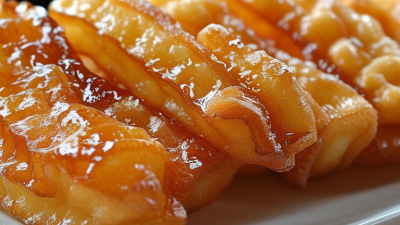
When enjoying youtiao, consider trying different dipping sauces. Soy sauce adds a savory touch. Some enjoy it with honey or condensed milk for sweetness. Take your time when selecting your youtiao spot. A busy vendor often signifies popular quality. Sometimes, less popular stalls have hidden gems. Pay attention to local recommendations. Explore the flavors of fried dough sticks; you might discover something new and delightful.
Popular Serving Styles and Accompaniments for Fried Dough Sticks
Fried dough sticks are beloved snacks in China, often enjoyed at breakfast. These light, crispy treats are usually served in pairs. They can be found at street stalls or markets, showcasing their cultural significance. People often enjoy them with congee or soy milk, creating a delightful balance of textures and flavors.
The serving styles vary regionally. In northern China, they’re sometimes dipped in warm soy milk. In southern regions, they might accompany porridge or be stuffed with sweet or savory fillings. Children enjoy them with various sauces or as part of breakfast sandwiches. This versatility makes them appealing to a wide audience.
These dough sticks also evoke nostalgia. Many people associate them with memories of family breakfasts or market visits. However, not all variations are perfect. Some may be too oily or lacking flavor. Choosing the right combination of accompaniments can enhance the overall experience, highlighting the need for personal preference. Each bite invites exploration and reflection on what makes these treats truly unique.
Top 10 Fried Dough Sticks from China - What Makes Them Unique?
| Name |
Region |
Unique Features |
Popular Accompaniments |
| Youtiao |
Nationwide |
Long and crispy; often eaten for breakfast |
Soy milk, congee |
| Jianbing |
Shandong |
Thin and filled with egg and herbs |
Sauces, pickled vegetables |
| Ci Fan |
Guangdong |
Unique texture; made with rice |
Congee, hot soup |
| Zha Jiang Mian |
Beijing |
Served with fried dough sticks in noodle dishes |
Minced pork sauce, cucumbers |
| Scallion Pancakes |
Sichuan |
Flaky, savory with scallions |
Soy sauce, vinegar |
| Mian Wo |
Xi’an |
Deep fried; thicker dough |
Chili sauce, garlic |
| You Tiao Bao |
Shanghai |
Stuffed with sweet or savory fillings |
Sweetened condensed milk |
| Sweet Fried Dough |
Sichuan |
Sprinkled with sugar and sesame |
Tea, coffee |
| Fried Buns |
Zhejiang |
Soft and fluffy, pan-fried |
Soy sauce, pickles |
| Doughnut Rolls |
Taiwan |
Airy and light; often flavored with herbs |
Syrups, honey |