Pancake Day creates a short, intense buying season for retailers, cafés, caterers, and online sellers. Demand often rises for familiar products, yet customers increasingly expect convenience, safer ingredients, and attractive presentation. This guide explores the Top 10 Pancake Day Products to Source Globally, with practical attention to quality, pricing, packaging, and supply reliability.
The selection includes pancake mixes, non-stick pans, batter dispensers, spatulas, syrups, fruit toppings, chocolate spreads, decorative sprinkles, recyclable serving boxes, and dietary-friendly options. Each product should be assessed through samples, supplier audits, ingredient records, and clear product specifications. A glossy package is not enough. Buyers should check allergen statements, shelf life, food-contact safety, labeling rules, and shipping conditions before placing larger orders. Local requirements may differ greatly between markets.
Real sourcing experience shows that the cheapest quotation can become expensive after delays, damaged cartons, or inconsistent batches. Small details matter, such as a cracked dispenser nozzle or syrup bottles leaking during transport. Supplier communication also deserves careful review. Do they answer clearly? Can they provide test reports and production photos? Some claims may sound impressive but remain difficult to verify. No list is perfect. Product popularity can change quickly, and a sustainable option may still carry a higher landed cost. Even so, careful comparisons can reduce avoidable risks and create a stronger Pancake Day assortment. This introduction offers a practical starting point for buyers seeking dependable products with commercial potential.
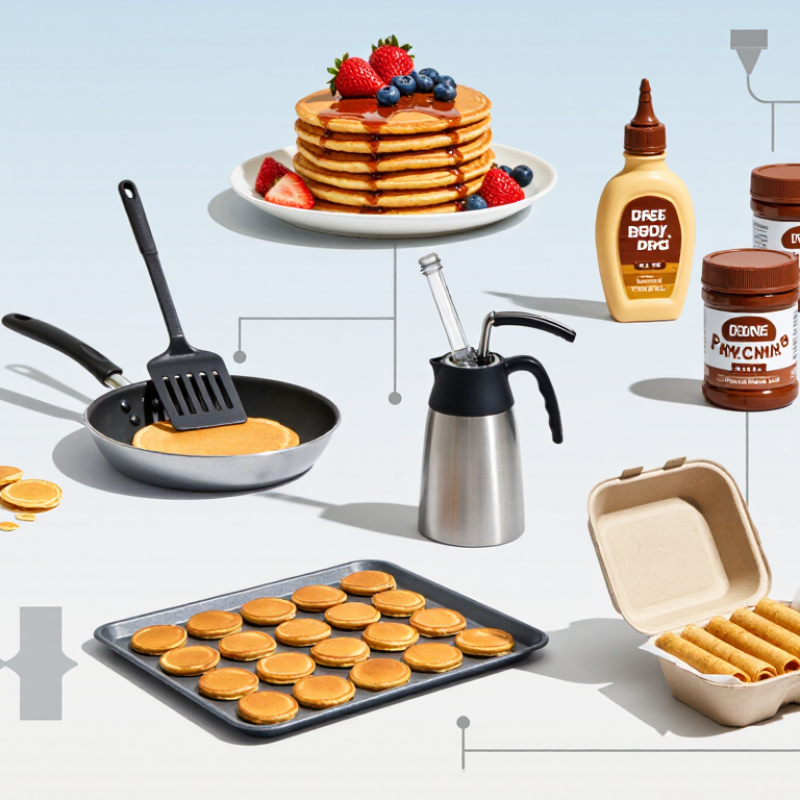
Top 10 Pancake Day Products to Source Globally?
Defining the Global Pancake Day Product Market
The global Pancake Day product market includes more than ready-made pancakes. It covers flour mixes, wholegrain flour, syrups, fruit spreads, chocolate toppings, powdered sugar, plant-based milk, eggs, cooking oils, and reusable pancake tools. These ten categories reflect everyday demand, seasonal promotions, and changing dietary preferences. The borders are not neat.
In sourcing reviews, product quality depends on texture, shelf life, ingredient clarity, and transport conditions. A mix that produces a light pancake in one kitchen may fail in a humid climate. Syrups need secure packaging, while eggs and plant-based milk require stricter temperature planning. Flour should be checked for moisture, milling consistency, allergen information, and local import rules. Small details matter.
Buyers should compare suppliers through samples, batch records, certificates, and transparent factory communication. Price alone can hide weak packaging or unstable supply. Regional tastes also reshape the market: some consumers prefer thin pancakes, while others expect thick, soft portions. Sweet toppings sell strongly during celebrations, but unsweetened and allergen-aware options are gaining attention. This definition remains useful, yet incomplete. Consumer habits change faster than many sourcing plans.
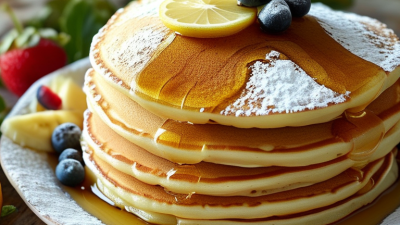
Global buyers are expanding their pancake selections beyond traditional dry mixes. I have found that reliable products begin with clear ingredient specifications. Flour type, leavening strength, sugar level, and dairy content affect texture and cooking speed. Some mixes create thin, crisp edges. Others produce soft, thick centers. Buyers should compare these results through controlled kitchen trials.
Ready-to-cook batter offers convenience for cafés, hotels, and foodservice kitchens. Chilled or frozen formats can reduce preparation time and portioning errors. However, temperature control is critical during storage and transport. A supplier should provide shelf-life data, storage instructions, allergen declarations, and batch traceability. Packaging also deserves attention. Small sachets suit retail shelves, while larger sealed pouches work better for professional kitchens.
An early sample I tested cooked evenly but tasted slightly flat. The supplier adjusted the formulation, yet the second trial became too sweet. That experience reminded me not to trust one successful batch. Buyers should request pilot quantities and test products on local equipment. Water quality, griddle temperature, and staff habits can change the final result.
For global sourcing, dependable documentation matters as much as flavor. Independent laboratory checks can verify nutrition, microbial safety, and declared ingredients. Products with clean labels may attract shoppers, but “clean” does not always mean better performance. Careful comparison remains necessary.
Pancake menus travel well when toppings are easy to store and simple to portion. A strong global sourcing list includes maple syrup, fruit syrup, chocolate sauce, caramel sauce, honey, berry compote, citrus curd, nut spread, seed spread, and fruit preserves. Each adds a different texture, color, and serving style. Maple syrup suits classic breakfasts, while mango or passion-fruit syrup brings a brighter profile. Berry compote gives visible fruit pieces. Chocolate sauce remains popular, but it can hide pancake quality if used too heavily.
Reliable suppliers should provide ingredient lists, allergen statements, shelf-life data, and batch information. Check viscosity before ordering. A thin syrup may soak through the pancake, while a thick spread may tear it. Sample testing matters more than attractive catalog images. I once preferred a smooth fruit filling, then found it tasted flat after heating. That mistake changed my testing process. Now, I compare products at room temperature and after service. Packaging also deserves attention. Secure seals, food-grade containers, and clear storage instructions reduce waste during international shipping.
Tips: Request small samples before committing. Test sweetness with your actual pancake recipe. Confirm whether fillings need refrigeration after opening. Keep nut and seed products separated during storage. Review local labeling rules before import. Seasonal fruit products may offer better flavor, but availability can change quickly. Leave room for substitutes. Global sourcing rarely works perfectly.
A useful Pancake Day range should balance preparation, presentation, and protection. Consider balloon whisks, silicone spatulas, measuring cups, batter dispensers, non-stick griddles, serving plates, cake stands, syrup pitchers, pancake boxes, and grease-resistant paper sleeves. These products cover the complete customer journey, from mixing batter to carrying a warm stack home. In my sourcing experience, handle comfort matters as much as appearance. A thin whisk may look elegant, yet it can bend during repeated commercial use.
Tips: Request samples before placing large orders. Test spatulas with hot pans, check plate stability, and measure every box with real pancakes inside. Packaging should resist grease without creating unpleasant odors. Confirm food-contact documentation, material composition, labeling rules, and recycling guidance for each target market. Requirements can differ between regions. Never rely on a supplier’s catalogue description alone.
Serveware also needs practical details. A shallow plate can make syrup spill during delivery, while a tall stacker may waste shelf space. Packaging with locking tabs, ventilation openings, and secure sleeves can protect texture and reduce mess. I once underestimated box rigidity; the product looked fine in photographs but arrived crushed after transport. That mistake changed my inspection process. Small design flaws become expensive when multiplied across thousands of units. A reliable supplier should explain testing methods, production tolerances, and replacement procedures clearly. Some options still need improvement. That is normal.
Top 10 Pancake Day Products to Source Globally
Pancake Day sourcing covers mixes, non-stick pans, spatulas, dispensers, toppings, gift sets, and recyclable packaging. Supplier evaluation should begin with production records, quality controls, and clear communication. Request samples from at least three factories. Check texture, coating durability, packaging strength, and delivery consistency. A polished sample means little if batch quality changes.
Compliance must match the destination market. Confirm ingredient declarations, allergen warnings, nutrition panels, food-contact safety, and packaging requirements before production. Ask for current certificates and independent test reports. Calculate the landed cost, not only the factory price. Include tooling, inspections, duties, insurance, port fees, storage, and possible currency changes. Air freight may rescue a late order, but it can destroy margins. Ocean freight costs less, yet seasonal delays remain possible.
Tips: Use a written specification sheet. Set acceptable defect limits. Request carton dimensions early. Compare suppliers using the same payment and delivery terms. Keep a backup production plan. A low quote can still be a poor decision. I would also challenge optimistic lead times, because holiday demand often exposes weak planning. No spreadsheet replaces a factory visit or a verified pre-shipment inspection. Some sourcing assumptions will be wrong, so review them before deposits are paid.
Indicative global sourcing guide for seasonal pancake programs. Costs are planning ranges in USD and may vary by origin, specification, packaging, order volume, certification, and Incoterms.
| Rank | Product Category | Typical Specification | Preferred Supplier Profile | Key Compliance and Quality Checks | Indicative FOB Cost | Typical MOQ | Production Lead Time | Global Logistics Considerations |
|---|---|---|---|---|---|---|---|---|
| 1 | Instant Pancake Mix | 500 g retail pouch; wheat-based; optional egg-free formulation | Dry-food manufacturer with allergen-controlled production, automated filling, and export packaging capability | Ingredient and allergen declaration; HACCP-based food-safety system; microbiological testing; net-weight verification; country-of-sale labeling | $0.55–$1.20 per pouch | 2,000–10,000 pouches | 4–8 weeks | Ambient sea freight is economical; moisture-barrier packaging and pallet protection are important |
| 2 | Buckwheat Pancake Flour | 1 kg paper-laminated bag; conventional or gluten-free line | Grain mill with traceability, metal detection, and separate gluten-control procedures where applicable | Allergen and gluten claims must be verified; pesticide-residue controls; mycotoxin testing; origin and batch traceability | $0.65–$1.45 per bag | 1–5 metric tons | 3–7 weeks | Dry container shipping; protect from humidity, pests, odor transfer, and extended storage heat |
| 3 | Pure Maple Syrup | 250 ml glass bottle or food-grade plastic container; single-ingredient syrup | Licensed syrup processor with harvest traceability, filtration, grading, and export-ready bottling | Food-contact packaging approval; nutrition and ingredient labeling; lot coding; authenticity and adulteration controls | $2.20–$4.80 per bottle | 500–2,000 bottles | 4–10 weeks | Glass requires strong case packing; temperature-controlled storage is usually unnecessary, but freezing should be avoided |
| 4 | Fruit Compote or Preserve | 300 g jar; strawberry, blueberry, raspberry, or mixed-fruit recipe | Fruit processor with validated thermal processing, controlled acidity, and glass-jar filling capability | pH and water-activity control; process validation; allergen statement; nutrition panel; seal-integrity and shelf-life testing | $0.85–$2.10 per jar | 1,000–5,000 jars | 6–10 weeks | Heavy glass increases freight cost; use dividers, corner protection, and full-container consolidation where possible |
| 5 | Powdered Sugar | 500 g resealable pouch; finely milled sugar with anti-caking control | Sugar processor or repacker with hygienic dry-room handling and reliable lot documentation | Ingredient declaration; food-grade packaging; foreign-material controls; moisture testing; country-specific nutrition labeling | $0.35–$0.90 per pouch | 2,000–20,000 pouches | 3–6 weeks | Low-value, high-volume cargo; consolidate with other ambient dry foods to improve freight economics |
| 6 | Nonstick Pancake Pan | 24 cm aluminum pan; induction-compatible base; detachable or heat-resistant handle | Cookware factory with coating-process controls, dimensional inspection, and export packaging experience | Food-contact material compliance; coating adhesion and abrasion tests; handle strength; migration testing; packaging safety review | $3.20–$7.50 per pan | 500–2,000 pieces | 6–10 weeks | Sea freight is preferred; nestable designs reduce cubic volume and damage risk |
| 7 | Cast-Iron Pancake Griddle | 26–30 cm reversible or flat griddle; pre-seasoned or enamel-finished | Foundry and cookware supplier with controlled casting, seasoning, surface-finish, and rust-prevention processes | Food-contact surface requirements; heavy-metal testing where required; dimensional inspection; rust and coating checks | $6.50–$15.00 per unit | 300–1,000 pieces | 8–14 weeks | High weight-to-value ratio; compare ocean freight with regional production; use moisture-resistant cartons and pallets |
| 8 | Electric Pancake Griddle | 1,200–1,800 W; adjustable thermostat; regional plug and voltage configuration | Small-appliance manufacturer with electrical safety testing, factory quality control, and spare-parts support | Electrical safety and electromagnetic compatibility requirements; plug certification; user instructions; warranty and recycling markings | $15.00–$32.00 per unit | 300–1,000 units | 8–16 weeks | Confirm destination voltage, plug type, carton drop testing, lithium-battery absence, and peak-season booking capacity |
| 9 | Stainless-Steel Batter Dispenser | 750 ml–1.2 L capacity; trigger-controlled portioning; removable components | Kitchenware manufacturer using food-grade stainless steel with consistent welding, polishing, and leak testing | Food-contact material declaration; stainless-steel grade verification; weld and leakage inspection; cleaning instructions | $2.80–$7.00 per unit | 500–3,000 units | 5–9 weeks | Compact and durable for sea or air freight; individually protect polished surfaces against scratches |
| 10 | Compostable Paper Plates | 20–23 cm diameter; grease-resistant; molded fiber or coated paper construction | Packaging converter with certified fiber sourcing, food-contact production, and compostability documentation where claimed | Food-contact declaration; fiber or recycled-content evidence; PFAS restrictions where applicable; compostability claims verification | $0.04–$0.14 per plate | 50,000–250,000 pieces | 5–10 weeks | Very high cubic volume; optimize carton dimensions and consider regional supply to reduce freight emissions and cost |